Ducted vs Ductless Systems: Which Should You Install?
Ducted vs Ductless Systems: Which Should You Install?
Choosing between ducted and ductless HVAC systems depends on your home's existing infrastructure, floor plan, heating and cooling requirements, and installation budget. Both configurations can provide year-round temperature control, but their installation requirements, operating costs, and ability to serve individual rooms differ.
Vancouver homeowners must also consider seasonal heating demand, summer cooling requirements, and how frequently different areas of the home are occupied. Penguin HVAC compares these factors to help homeowners understand which system configuration is appropriate for their property and long-term needs.
How Ducted and Ductless HVAC Systems Actually Differ
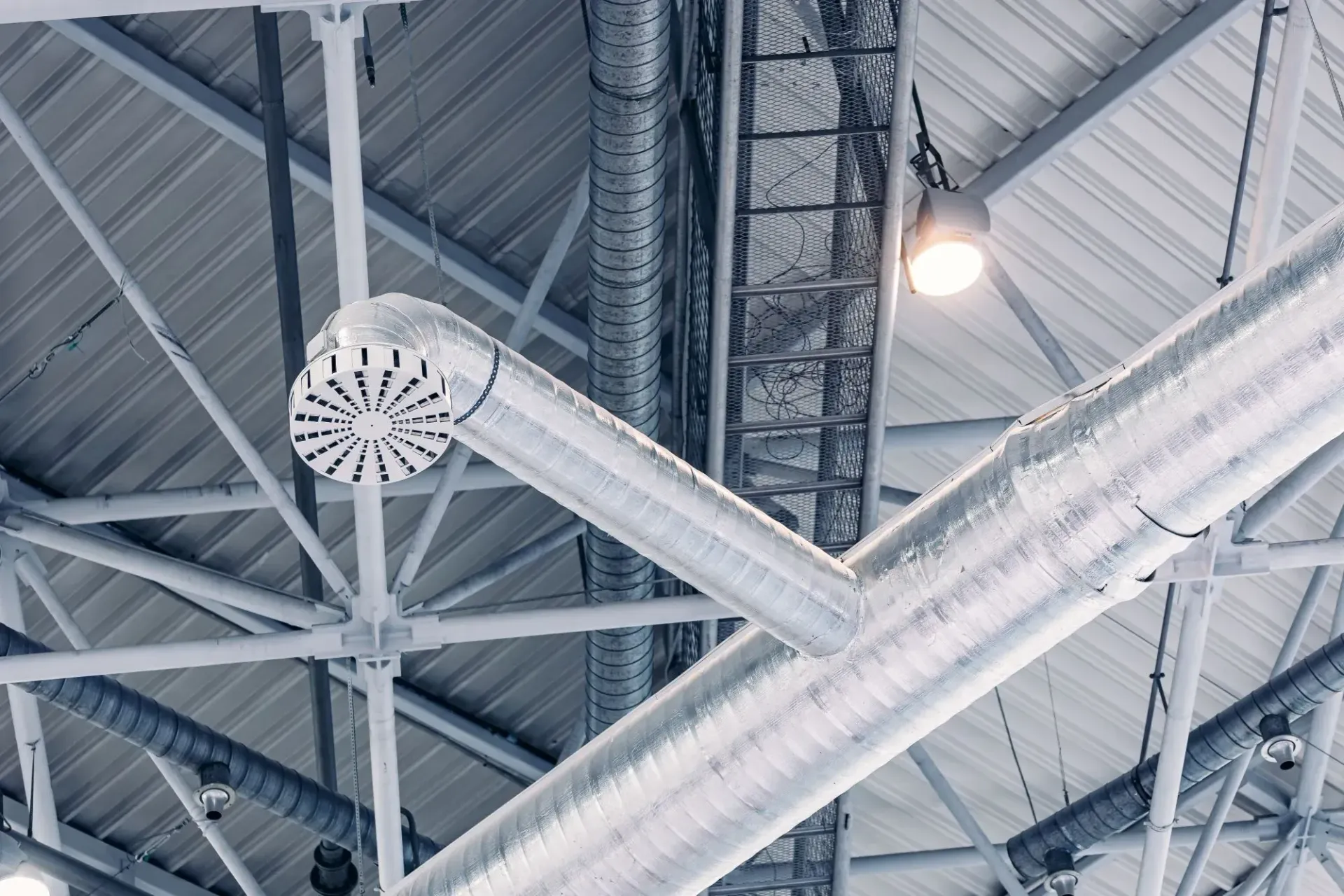
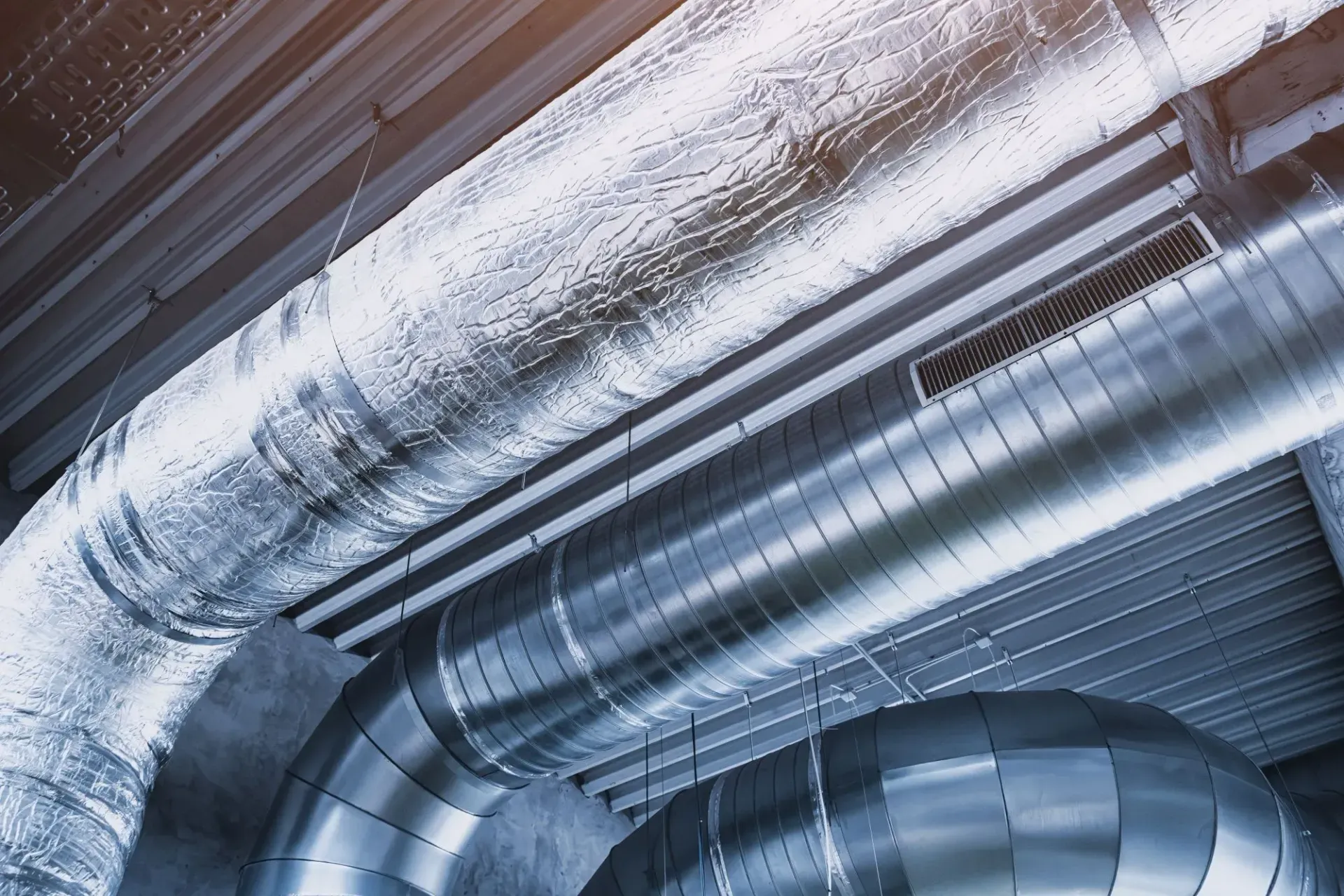
Ducted HVAC systems distribute conditioned air from central equipment through a network of supply and return ducts. Supply registers deliver heated or cooled air to individual rooms, while return-air pathways allow air to circulate back to the equipment.
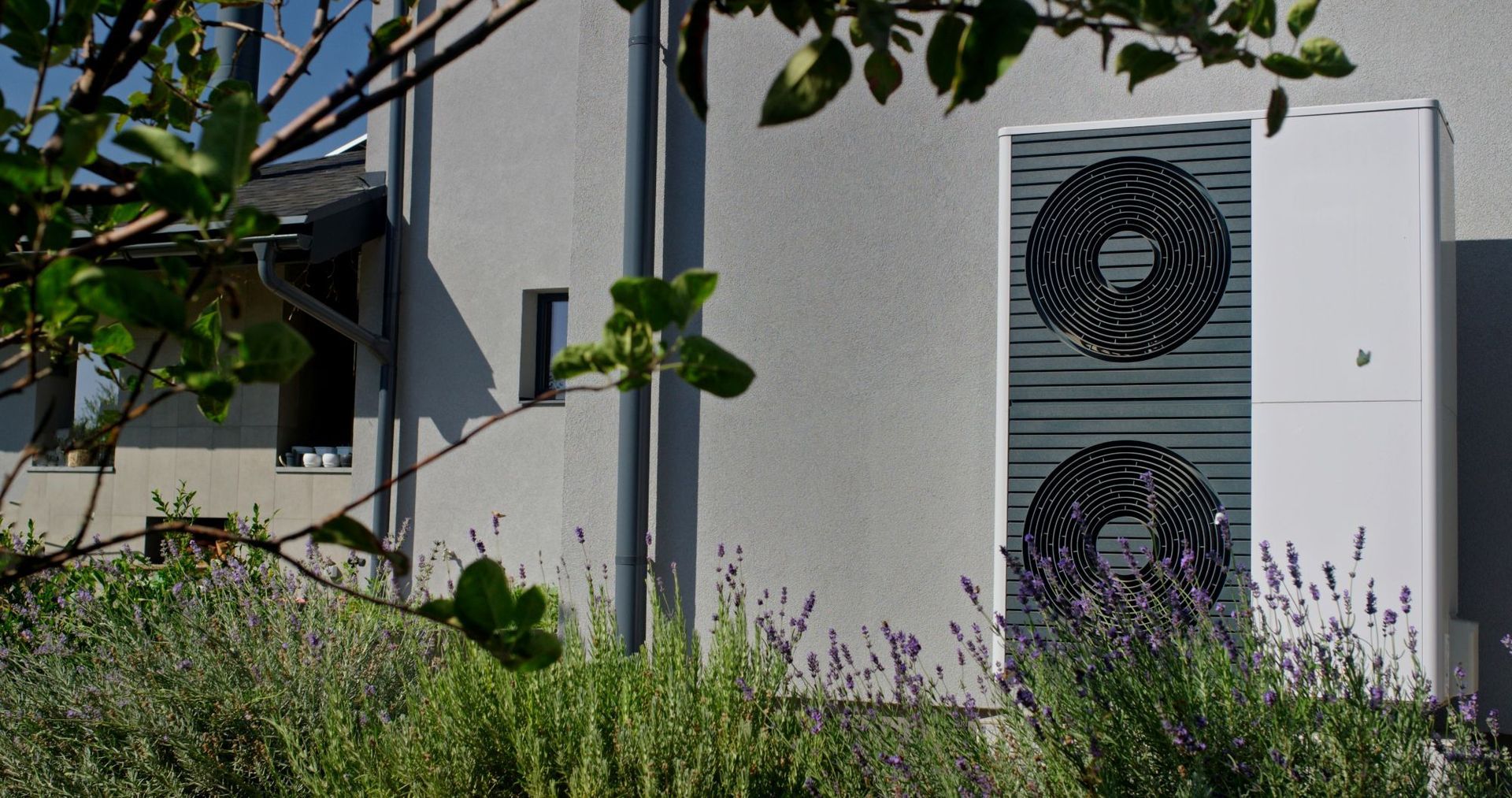
Ductless systems typically use an outdoor heat pump connected to one or more indoor units through refrigerant lines. A single-zone system serves one designated area, while a multi-zone system uses multiple indoor units to condition separate spaces.
The distinction between ducted and ductless refers to how conditioned air is distributed rather than how heating or cooling is generated. Both configurations can use heat pump technology, while ducted systems can also incorporate gas furnaces and central air conditioning equipment.
When a Ducted System Makes More Sense
Ducted systems are particularly suitable for properties where multiple enclosed rooms require regular heating and cooling from a central source. Their practicality depends on the availability of suitable distribution infrastructure and the equipment's ability to satisfy heating and cooling demand throughout the home.
Homes With Existing Ductwork
Homes with existing ductwork may have lower installation costs because much of the infrastructure required for central air distribution is already present. However, existing ducts should not automatically be considered compatible with replacement equipment.
Duct sizing, leakage, insulation, room coverage, and airflow capacity should be assessed before installation. A distribution network originally designed for a gas furnace may require modifications to accommodate a central heat pump, particularly if certain rooms already experience insufficient airflow.
When the existing distribution network is suitable, a central heat pump installation can provide both heating and cooling while retaining much of the home's mechanical infrastructure. This avoids unnecessary construction and allows homeowners to modernize their equipment without replacing otherwise functional ductwork.
Whole-Home Heating and Cooling Needs
Ducted systems are practical for households where bedrooms, living areas, and other regularly occupied rooms require consistent temperature control. Properly designed supply and return-air pathways allow conditioned air to circulate through enclosed rooms even when interior doors are closed.
Central systems also accommodate homeowners who prefer concealed distribution infrastructure rather than visible indoor units throughout the property. Homes with substantially different heating and cooling requirements between floors may benefit from ducted zoning, provided the equipment and distribution network are designed to accommodate variable airflow demands.
When a Ductless System Is the Better Option
Ductless systems are particularly suitable for properties where centralized air distribution is impractical or where individual living areas have distinct heating and cooling requirements. Their suitability depends on whether indoor units can be positioned to provide adequate coverage without creating unnecessary equipment or installation expenses.
Homes Without Ductwork or Older Properties
Older Vancouver homes with electric baseboard or hydronic heating may lack an existing air distribution network. Converting these properties to a ducted system can require alterations to finished walls, ceilings, and other structural spaces.
A ductless heat pump installation avoids the need to construct a central duct network. This makes ductless equipment worth considering for properties where preserving existing finishes, architectural features, or usable living space is a priority.
Ductless systems are also suitable for home additions and converted living spaces where extending existing ductwork would be difficult. A separate system may be particularly practical when the existing central equipment lacks sufficient capacity to accommodate additional heating and cooling demand.
Zoned Comfort and Room-Specific Control
Ductless systems with independently controlled indoor units allow occupants to adjust temperatures according to the requirements of individual rooms or zones. This arrangement is useful when household members have different temperature preferences or when certain areas are occupied less frequently than others.
However, an indoor unit installed in an open living area should not be expected to maintain consistent temperatures in multiple enclosed bedrooms. Room layouts, door positions, and airflow between spaces determine how effectively each indoor unit serves surrounding areas.
Multi-zone configurations also have operational limitations. Indoor units sharing an outdoor unit operate within its available capacity and minimum output range, and many residential configurations cannot provide heating in one zone and cooling in another simultaneously. Independent temperature settings therefore do not necessarily translate into completely independent equipment operation.
Installation Constraints That Decide the System for You
Adding ductwork to a home without an existing distribution network is possible when sufficient space is available in attics, crawl spaces, ceiling cavities, or mechanical shafts. Where these spaces are unavailable, installation may require bulkheads, lowered ceilings, or substantial interior renovations. Ductless installation becomes more practical when these alterations would compromise the property's layout or exceed the project budget.
Ductless systems have their own physical requirements. Each indoor unit needs a suitable mounting location, a refrigerant line route to the outdoor equipment, and a method of draining condensation during cooling operation. Where gravity drainage is unavailable, a condensate pump may be necessary, introducing an additional component that requires maintenance.
Wall-mounted indoor units are not the only available configuration. Floor-mounted units, ceiling-mounted units, or compact ducted equipment serving smaller groups of rooms may provide alternatives where conventional installations are unsuitable, subject to equipment availability and structural limitations.
Both configurations require appropriate electrical capacity, accessible outdoor equipment placement, and sufficient clearance for airflow and servicing. Outdoor heat pump placement must also accommodate drainage during winter defrost cycles to prevent water or ice accumulation in unsuitable areas.
For Vancouver condominiums and townhouses, strata bylaws, exterior alteration approvals, and municipal noise requirements may restrict equipment placement. These requirements vary by property and municipality and should be confirmed before equipment is purchased or installation begins.
Cost Differences Between Ducted and Ductless Systems
Installation costs depend on equipment capacity, infrastructure requirements, labour, and the number of spaces requiring temperature control. Comparing a single-zone ductless system against a whole-home ducted installation does not provide an accurate financial comparison because the configurations serve different areas.
Cost Factor
Ducted HVAC
Ductless HVAC
Equipment costs
Central equipment sized for the required heating and cooling load
Outdoor equipment and indoor units sized for individual zones
Installation costs
Depend on existing ductwork compatibility and required modifications
Depend on indoor-unit quantity, equipment configuration, and refrigerant line complexity
Construction expenses
May include duct installation, ceiling modifications, and interior restoration
May include wall penetrations, line concealment, and drainage modifications
Electrical upgrades
May require new circuits or electrical panel upgrades
May require new circuits or electrical panel upgrades
Operating costs
Influenced by equipment efficiency, energy source, and distribution losses
Influenced by equipment efficiency, zone usage, and supplementary heating
Maintenance expenses
Central equipment, filtration, and ductwork maintenance as required
Cleaning and servicing of individual indoor units
Replacement costs
Depend on replacement equipment compatibility with existing ductwork
Depend on compatibility between indoor and outdoor equipment
For Vancouver homes with suitable existing ductwork and regular whole-home heating and cooling requirements, a central system may provide better overall value than installing multiple ductless indoor units. For properties without ductwork, ductless equipment may offer a lower initial investment by avoiding extensive construction expenses.
Long-term operating costs depend on the equipment selected and the heating source it replaces. For example, replacing electric resistance heating with a heat pump may reduce electricity consumption, while replacing natural gas heating requires a separate comparison of equipment efficiency, electricity rates, and natural gas prices.
Homeowners retaining electric baseboards or another supplementary heating source should include its anticipated operating costs in the financial assessment. A ductless system that serves only part of the property may have lower installation costs but leave a substantial portion of the home's heating expenses unchanged.
Available rebates may reduce the initial investment, but eligibility should be confirmed before committing to an installation. Comparing itemized estimates for equivalent room coverage, heating capacity, cooling capacity, and expected annual energy consumption provides a more reliable assessment of long-term ownership costs.
Efficiency, Comfort, and Maintenance Tradeoffs
Ductless systems avoid air distribution losses associated with central ductwork. This advantage is particularly relevant when ducts are poorly sealed or pass through unconditioned attics and crawl spaces. Properly sealed and insulated ductwork located within the conditioned building envelope reduces these losses.
However, distribution efficiency does not determine overall system efficiency. Equipment performance, installation quality, outdoor temperatures, and operating conditions influence energy consumption in both configurations. Oversized equipment may cycle excessively when heating or cooling demand falls below its minimum operating capacity, particularly during Vancouver's milder weather.
The heating source must also be considered when comparing efficiency and operating expenses. A system combining central air conditioning with a gas furnace has different energy requirements from an electrically powered ductless heat pump. Seasonal efficiency ratings help compare similar equipment, but they do not independently establish annual utility costs.
Vancouver's relatively moderate winter climate is generally suitable for air-source heat pumps. Whether a ductless system provides sufficient winter heating depends on its available capacity at local winter design temperatures and the calculated heat loss of the spaces it serves. Equipment selection must account for colder conditions rather than relying solely on advertised heating capacity under milder temperatures.
During damp, cold weather, outdoor heat pump coils may accumulate frost and require periodic defrost cycles. These cycles can temporarily reduce or interrupt indoor heating delivery. Supplementary heating may be appropriate where the selected equipment cannot maintain the required indoor temperatures under expected winter operating conditions.
Comfort also depends on airflow patterns, equipment placement, and noise. Ductless indoor units deliver localized airflow within occupied rooms, while ducted systems distribute air through registers and may transmit blower or airflow noise through the duct network. Homeowners with specific indoor air filtration requirements should also compare the filtration capabilities of the proposed equipment, as standard ductless filters are not necessarily equivalent to compatible higher-efficiency central filtration systems.
Maintenance requirements differ in both location and frequency. Ducted systems typically concentrate routine filter maintenance at a central location, while multi-zone ductless systems require homeowners to clean filters at several indoor units. Each ductless indoor unit also introduces a coil and condensate drainage system that requires periodic attention.
Both heat pump configurations require outdoor equipment maintenance, while central ductwork should be inspected when leakage, damage, or airflow problems are suspected. Cleaning and servicing intervals should follow manufacturer instructions and account for household conditions, equipment usage, and accessibility.
How to Choose the Right System for Your Vancouver Home
The selection process should begin by defining the areas requiring year-round temperature control and establishing whether the new system will replace or supplement existing heating equipment. A room-by-room heating and cooling load assessment helps determine the required equipment capacity and whether every regularly occupied space will receive adequate conditioning.
Homeowners should establish the following before selecting equipment:
- Required coverage: Determine which bedrooms, living areas, and additional spaces need independent or continuous temperature control.
- Infrastructure compatibility: Establish whether existing ductwork, electrical capacity, and available equipment locations support the proposed installation.
- Winter heating capacity: Confirm whether the equipment can satisfy heating demand at local winter design temperatures without supplementary heating.
- Total ownership costs: Compare installations providing equivalent coverage, including construction, energy consumption, maintenance, and potential replacement expenses.
A combined ducted and ductless configuration may be appropriate when existing central equipment adequately serves most of the property but certain areas remain difficult to condition. Before adding separate equipment, determine whether the underlying comfort problem results from inadequate insulation, restricted airflow, or another correctable building condition.
Where both systems are installed, thermostat settings and operating schedules should be coordinated to prevent overlapping equipment from working against one another. This is particularly important in connected living areas where temperature changes produced by one system influence the operation of another.
Existing heating equipment should only be removed once the replacement system's capacity and room coverage have been established. Where supplementary central heating remains necessary, retaining compatible equipment or considering a gas furnace installation may provide an appropriate solution.
Before proceeding with a heat pump installation, homeowners should request an equipment sizing assessment and an itemized estimate identifying required infrastructure modifications and supplementary heating considerations. These findings help prevent undersized equipment, unnecessary construction, and unexpected operating expenses.
At Penguin HVAC, the starting point for choosing an HVAC system is understanding the property's heating and cooling requirements. Evaluating these requirements before selecting equipment helps establish whether a ducted, ductless, or combined configuration is appropriate for the home's structure, occupancy patterns, and long-term budget.