Can a Heat Pump Replace Electric Baseboard Heating?
Penguin HVAC | Air Conditioning and Heating

Can a Heat Pump Replace Electric Baseboard Heating?

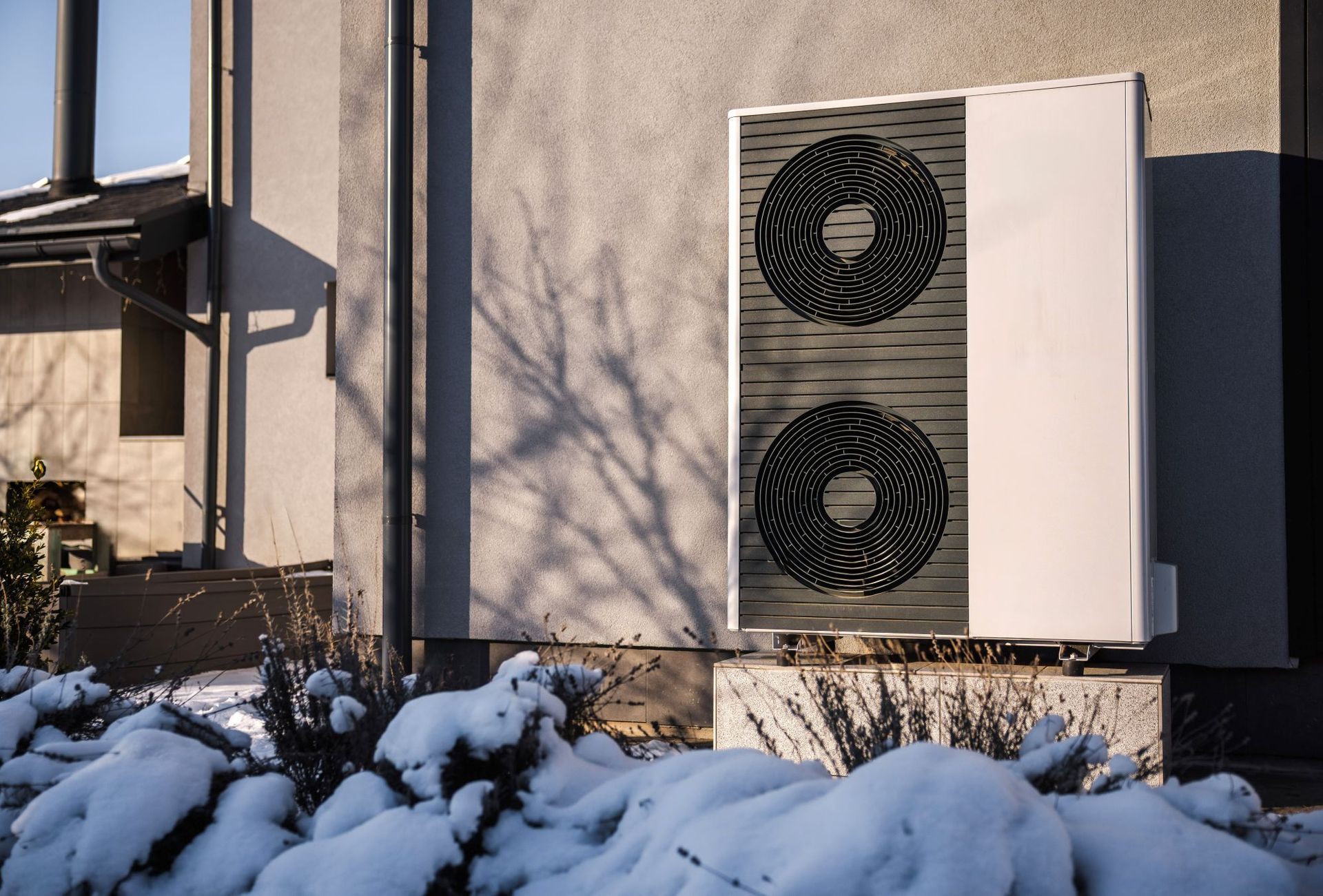
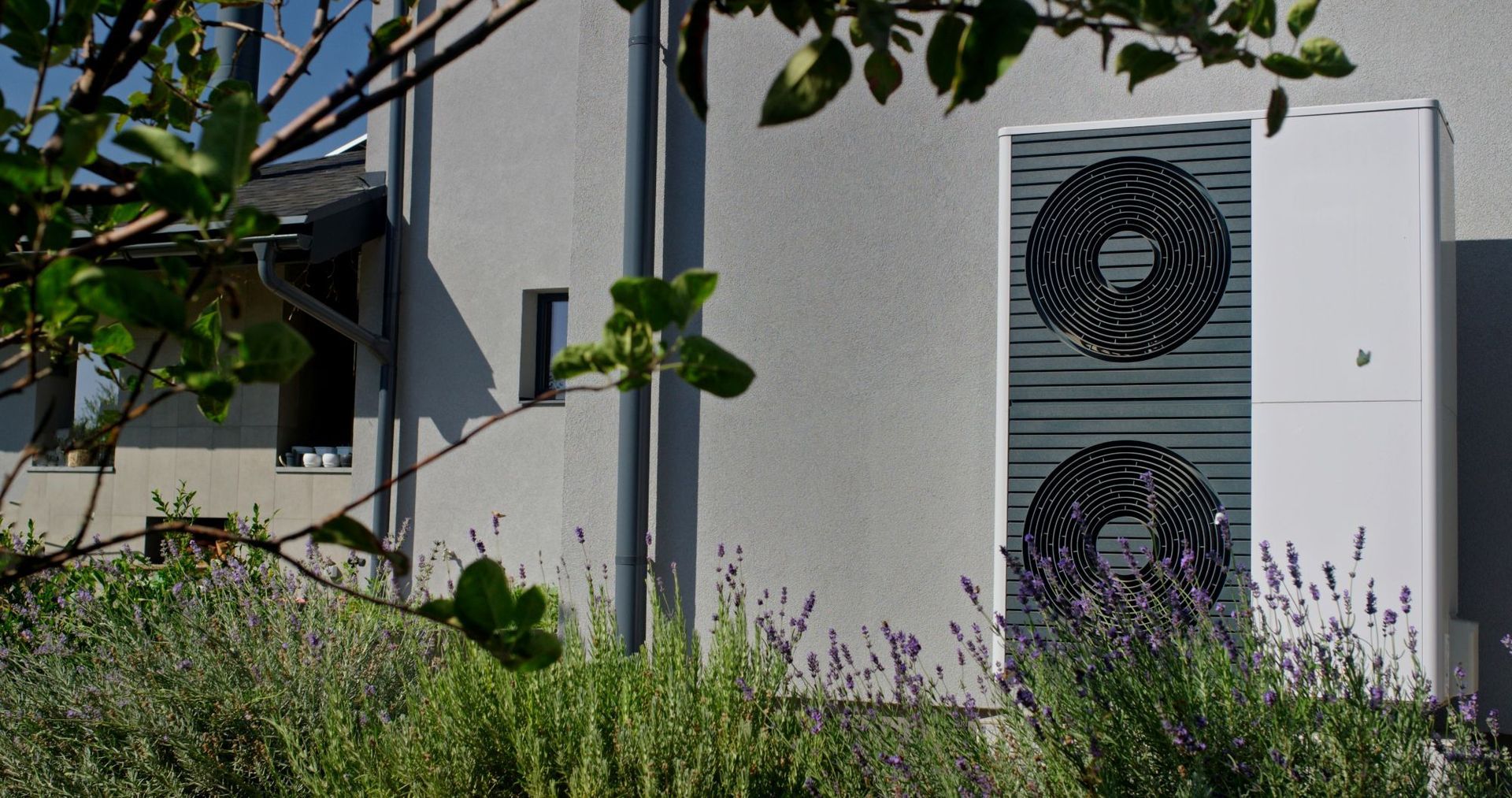
Yes, a properly sized air-source heat pump can replace electric baseboard heating as the primary heating system in many Vancouver and Lower Mainland homes. Switching from electric resistance baseboards to a heat pump can substantially cut winter space-heating electricity use while also providing summer cooling in the spaces the system serves, though actual results depend on home layout, insulation, electrical capacity, and, for condos, strata rules.

Electric baseboard heaters convert electricity directly into heat at 100% resistance efficiency, which equals a Coefficient of Performance (COP) of 1.0. By contrast, BC Hydro notes that air-source heat pumps move ambient outdoor heat indoors and can be up to 300% more efficient than electric baseboard heaters. BC Hydro's Lower Mainland cost-calculator benchmarks use seasonal COP values of 2.33 for standard-efficiency models and 2.68 for higher-efficiency models, which helps lower winter heating costs, especially for homes that regularly reach BC Hydro's higher Tier 2 rate.

For baseboard-heated homes without central air ducts, a ductless mini-split heat pump offers a practical retrofit path without adding ductwork. This guide covers how these systems perform, key differences between single-zone and multi-zone layouts, local installation and permitting requirements, and current BC Hydro and CleanBC rebates.

How Heat Pumps Outperform Electric Baseboards

Heat pumps lower winter heating electricity use because they transfer existing heat from outdoor air rather than generating heat through electrical resistance. According to BC Hydro, space heating can account for as much as 44% of the annual electricity bill in homes that rely primarily on electric baseboard heaters.

Under BC Hydro's 2026 residential tiered rate, electricity above the billing-period threshold costs 14.08 cents per kWh (Tier 2), compared with 11.87 cents per kWh for Tier 1 usage; BC Hydro also offers an optional flat rate of 12.70 cents per kWh for higher-use households. Because electrically heated homes frequently push winter consumption into Tier 2, reducing space-heating electricity demand can meaningfully reduce winter bills. Actual dollar savings vary widely based on home size, insulation, airtightness, thermostat habits, electricity rate plan, and how much the system is used for summer cooling.

Cold-weather capability has also improved, though heating capacity and efficiency still decline as outdoor temperatures drop and performance varies by model. BC Hydro notes that while standard heat pumps operate efficiently down to around -8 degrees Celsius, select cold-climate models can continue operating down to -30 degrees Celsius. Because Metro Vancouver winters are relatively mild, with typical winter design temperatures around -5 to -7 degrees Celsius depending on location, a properly sized cold-climate heat pump can cover primary heating demand through most winter conditions, though keeping select baseboards as backup can still be practical in closed rooms without indoor units, basements, or during rare cold snaps.

Ductless Heat Pump Installation in Vancouver

A ductless heat pump installation in Vancouver involves mounting an outdoor inverter condenser and connecting it to one or more indoor air-handling heads through a small exterior wall penetration, making it a common retrofit option for homes without existing ductwork. This approach avoids the cost and renovation disruption of installing central air ducts in an older baseboard-heated home.

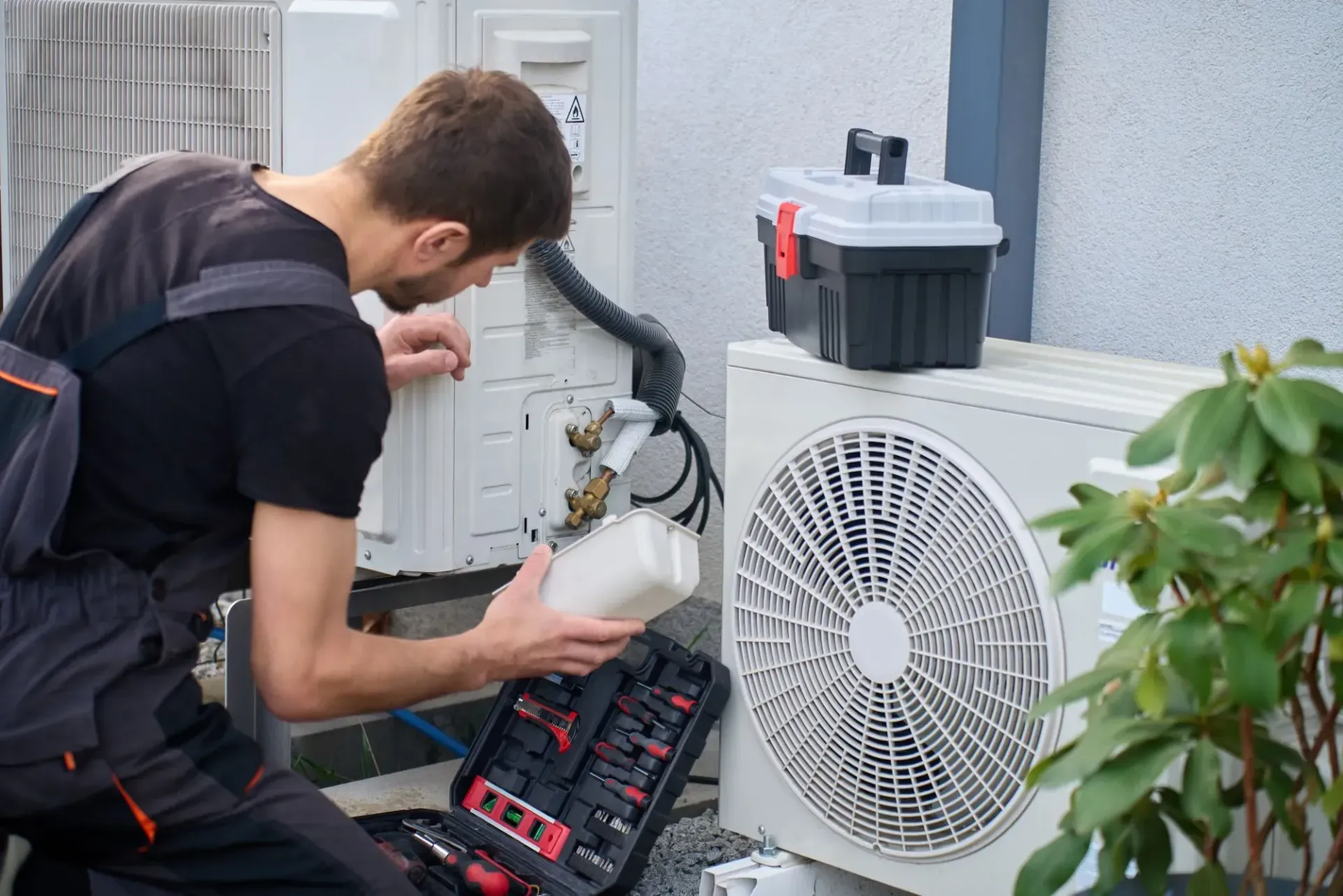
On-site installation commonly takes one to three days for typical single- or multi-head setups, though larger multi-zone layouts or added electrical work can extend the schedule. Technicians route insulated copper refrigerant lines, control wiring, and condensate drain tubing through a small exterior wall opening, and exterior lines are typically enclosed in protective line-set covers.

Local bylaws also shape equipment choices. Since January 1, 2023, the City of Vancouver requires all permanently installed new air conditioning systems in detached one-to-two dwelling homes to provide both low-carbon heating and cooling, meaning an electric heat pump. For strata units and condos, owners generally need written strata council approval before mounting outdoor equipment on balconies or penetrating exterior walls; review timelines vary from weeks to months depending on building bylaws and council schedules, and not all stratas permit exterior alterations.

Homeowners comparing options may still consider a central ducted heat pump if the home is undergoing a major renovation where ductwork is being added, or if they are converting from an electric forced-air furnace that already has ducts rather than from baseboards.

Multi-Zone Mini-Split Heat Pump Installation in Vancouver

A multi-zone mini-split heat pump installation in Vancouver connects multiple indoor air-handling units to a single outdoor condenser, providing room-by-room temperature control while reducing the number of outdoor cabinets needed. Homeowners in larger multi-storey homes with several closed bedrooms often consider multi-zone layouts when yard space or local siting rules restrict multiple outdoor units.

While multi-zone systems reduce exterior clutter, they require careful sizing and layout design to perform efficiently. BC Hydro cautions that ductless systems can become less efficient as more indoor heads are added, and cold-climate field research presented at the 2023 ASHRAE Cold Climate Conference found that multi-head ductless systems installed without careful design and implementation can lose up to 30% in annual heating efficiency compared to well-designed setups. Efficiency losses can arise when small rooms demand less heat than a large multi-zone compressor's minimum output, leading to short-cycling, as well as from intermittent head operation, defrost cycles, and poor integration with backup heat.

Single-Zone vs. Multi-Zone Systems

Feature

Multiple Single-Zone Systems

Multi-Zone System (1 Outdoor Unit)

Upfront Cost

Varies by zone count; often higher for three or more zones due to multiple outdoor units and circuits

Often lower equipment and electrical cost for multiple rooms, though head count and line-set runs drive total price

Vancouver Siting Rules

Harder to fit multiple outdoor units; may need extra review beyond one unit per yard

Easier to meet the City of Vancouver's "one exterior unit per yard" outright rule

Efficiency & Turndown

Lower minimum capacity per zone, making it easier to limit short-cycling when properly sized

Higher risk of short-cycling and efficiency loss if oversized or serving several small, low-load rooms

Electrical Panel Impact

Requires a separate dedicated circuit and disconnect for each outdoor unit

Requires one larger dedicated circuit for the shared outdoor unit

Operating Modes

Different zones can run heating and cooling independently at the same time

All indoor heads on standard residential systems must run in the same mode at once

In larger homes, some homeowners and designers use a split or hybrid approach rather than connecting every room to one large outdoor unit. For example, one outdoor unit might serve an open-concept main floor while a smaller separate system serves bedrooms, or existing electric baseboards may be kept in seldom-used spare rooms so the heat pump stays better matched to primary living areas. When baseboards remain as backup, their thermostats should be kept off or set lower than the heat pump so they do not compete with it.

Do You Need an Electrical Panel Upgrade?

A common misconception is that switching to a heat pump always requires a costly service upgrade from a 100-amp to a 200-amp electrical panel. When existing electric baseboards are disconnected or removed, replacing higher-draw resistance heating with a lower-draw inverter heat pump means an existing 100-amp panel can often handle the retrofit. Whether an upgrade is needed, however, always depends on a licensed electrician's load calculation, other household loads such as electric ranges or EV chargers, and whether any baseboards remain wired to the panel.

Where eligible, licensed electricians can use the BC Hydro 12-month MyHydro hourly meter data method, approved by Technical Safety BC for detached single dwellings (subject to having 12 months of account history and local municipal acceptance), to assess actual peak demand instead of relying solely on standard square-footage estimates. If panel capacity is tight, adding a load-sharing Energy Management System (EMS) or power management device can often defer non-critical loads during peaks and help avoid a service upgrade, subject to Canadian Electrical Code rules and an electrician's assessment.

Heat Pump Installation Contractor in Vancouver

When hiring a heat pump installation contractor in Vancouver, look for licensed HVAC and electrical trades who perform proper heat load calculations and handle required permits. In Metro Vancouver, electrical permits are issued by the municipality itself in seven jurisdictions (the City of Vancouver, Burnaby, Surrey, the City and District of North Vancouver, West Vancouver, and Maple Ridge) and by Technical Safety BC in other communities such as Richmond, Coquitlam, and New Westminster. If you plan to apply for BC Hydro's Home Renovation Rebate Program, the installer must hold active Home Performance Contractor Network (HPCN) registration, and a CSA F280-12 verified heat load calculation is required for the whole-home rebate tier.

During an on-site assessment, a qualified contractor should also evaluate local permitting, siting, and sound requirements. In the City of Vancouver, installing a heat pump requires both a mechanical permit and an electrical permit. For outright ground-mounted placement at existing ground-oriented dwellings without extra development review, the outdoor unit must be placed in an approved yard zone at least 90 cm from the property line (generally one exterior unit per yard). Equipment must also comply with Vancouver Noise Control By-law No. 6555, which caps residential property-line sound limits at 55 dBA during daytime hours and 45 dBA at night, and the City recommends choosing models rated at 55 dBA or less.

Penguin HVAC is a Vancouver-based residential HVAC contractor serving Vancouver and the Lower Mainland, offering ductless heat pump installation along with central air and furnace installation, replacement, and repair using licensed technicians and free on-site quotes. Working with an experienced local contractor who conducts load calculations and reviews layout, electrical, and bylaw constraints up front helps avoid oversizing and multi-zone short-cycling. If you plan to claim utility or provincial rebates, confirm your contractor's current program registration and rebate documentation scope before signing a contract.

2026 Heat Pump Rebates for Baseboard Homes

B.C.'s heat pump rebate landscape has narrowed compared to earlier years: the federal Canada Greener Homes Grant and Loan are closed to new applicants, and CleanBC updated its income-qualified Energy Savings Program (ESP) in July 2026. Even so, eligible homes switching from electric baseboard heating can still access utility and provincial rebates, subject to program rules and funding availability.

Through the BC Hydro Home Renovation Rebate Program, eligible BC Hydro customers in qualifying year-round primary residences (such as detached homes, duplexes, or individually metered townhomes at least 12 months old, excluding condos and apartments) who switch from primary electric heating using an HPCN-registered contractor may qualify for:

  • $4,000 Whole-Home Rebate: Requires a qualifying NEEP-listed cold-climate heat pump sized via CSA F280-12 verified software to meet 100% of the home's heating load at -5 degrees Celsius (excluding electric resistance backup), serving the majority of finished living spaces on each floor. Single-zone mini-splits qualify for the whole-home tier only in homes of 1,200 square feet or less.
  • $1,500 Partial-Home Rebate: For qualifying heat pumps on BC Hydro's eligible product list that meet 50% or more of the home's heating requirements.

Condo and apartment owners follow separate programs. Under BC Hydro's Condo and Apartment Rebate Program, eligible unit owners switching from electric heating can receive $1,000 for a ductless mini-split heat pump or $750 per indoor head (up to three heads, for a maximum of $2,250) for a ductless multi-split system, with mandatory pre-approval and strata consent required before installation. Income-qualified condo and apartment residents in qualifying electrically heated buildings up to six storeys may instead qualify for up to $5,000 (Income Level 1) or $4,000 (Income Level 2) through CleanBC's Energy Savings Program Condo and Apartment Rebate, subject to income thresholds, assessed property value caps, pre-registration, and a program-registered contractor. Because rebate amounts and eligibility rules can change, confirm current requirements directly with BC Hydro or CleanBC before committing to equipment.

Conclusion

For many Metro Vancouver homes heated by electric baseboards, switching to a properly sized air-source heat pump is a practical way to cut winter heating electricity use while adding summer cooling to the living spaces served. Actual payback depends on installation complexity, home heating demand, electricity rates, cooling use, and rebate eligibility.

To match system capacity to your home's layout, minimize short-cycling, and satisfy permit and rebate requirements, work with a licensed contractor who completes a proper heat load calculation and reviews both mechanical and electrical scope up front. Scheduling an on-site assessment with a local team such as Penguin HVAC is a straightforward first step toward evaluating equipment sizing, outdoor placement, and total project cost for your home.
By seo seo • November 24, 2026
Ducted vs Ductless Systems: Which Should You Install?
By seo seo • November 2, 2026
For Metro Vancouver homeowners with an existing forced-air gas furnace who want to add central cooling in 2026, the choice typically comes down to two primary options. You can either install a standard central air conditioner, or you can add a central heat pump to create a dual fuel heat pump system. From the outside, both setups look nearly identical, but their operational capabilities and rebate eligibility differ significantly. Adding a traditional furnace and air conditioner combination provides cooling during the summer while leaving all winter and shoulder-season heating to the natural gas furnace. Alternatively, pairing your furnace with a heat pump creates a hybrid setup that both cools in the summer and provides electric heating during Vancouver's mild, wet fall, winter, and spring. What is a Dual Fuel HVAC System? A dual fuel HVAC system combines an electric air-source heat pump with a natural gas furnace, using a smart thermostat to automatically switch between the two energy sources based on outdoor temperatures. The heat pump handles all summer cooling and provides energy-efficient heating during milder weather. When temperatures drop below a certain threshold, the system automatically switches to the gas furnace for rapid, high-temperature heat. In Metro Vancouver, adding a central air conditioner or a central heat pump to an existing forced-air gas furnace uses the same indoor ductwork and a similar outdoor condenser footprint. However, a dual fuel heat pump reverses its refrigerant cycle to handle most of your home's heating during mild coastal weather before switching to gas during freezing snaps. Heat Pump Air Conditioner vs. Central AC: Key Differences in 2026 Both systems circulate refrigerant between an indoor evaporator coil and an outdoor condenser to provide central cooling and dehumidification. The crucial difference is that a heat pump air conditioner can reverse this flow to bring heat inside during the winter. When comparing the two, local climate regulations and equipment efficiency play major roles in the decision-making process: Vancouver By-Law Mandates: Under the City of Vancouver Building By-law (effective since January 1, 2023), all permanently installed new air conditioning systems in detached 1-to-2 family homes must be able to provide both low-carbon heating and cooling. This means a central or ductless heat pump is mandatory for new cooling installations inside Vancouver city limits, whereas standalone central AC remains an option for adding high-efficiency central air conditioning to homes in several neighbouring Lower Mainland municipalities. Electrical Panel Capacity: Upgrading a home to a fully electric heat pump with electric resistance backup heat can require a 200-amp service upgrade on homes with older 100-amp panels. Because a hybrid heat pump system uses the gas furnace for backup heat, many homes with a standard 100-amp panel can accommodate the installation without upgrading the main electrical service, depending on existing household electrical loads. Variable-Speed Comfort: Many qualifying dual fuel heat pumps feature variable-speed inverter technology. Unlike single-stage AC units that cycle fully on and off, variable-speed units can run at lower, continuous speeds during warm, humid summer weather, improving indoor dehumidification and maintaining steadier temperatures. Upfront Costs and 2026 BC Rebate Opportunities The upfront cost to install a new gas furnace alongside a cooling-only central air conditioner varies based on home size, equipment tier, and ductwork requirements, though standard central air conditioners do not qualify for provincial or utility energy rebates because they do not reduce winter greenhouse gas emissions. Conversely, while a full hybrid heat pump system replacement carries a higher initial equipment cost before incentives, homeowners replacing an existing primary gas furnace that is at least 15 years old with a qualifying new high-efficiency furnace and central ducted heat pump can access the FortisBC Dual Fuel Heating System Rebate , which provides up to $4,000 (plus a $300 two-upgrade bonus when paired with another eligible upgrade). For homeowners replacing an aging furnace, this rebate can significantly narrow the net price difference between a hybrid system and a new furnace paired with a cooling-only air conditioner. Additionally, income-qualified households can apply through the CleanBC Energy Savings Program , which offers tiered rebates up to $13,000 for qualifying households that remove fossil-fuel heating and switch to an all-electric heat pump, or income-qualified incentives for eligible dual-fuel retrofits. Operating Costs: Natural Gas vs. Electricity Many Vancouver homeowners question whether heat pumps remain economical following the BC government's elimination of the consumer carbon tax on April 1, 2025. While the carbon tax elimination removed roughly 15 cents per cubic metre from average gas bills according to BC Gov News , electricity remains highly competitive due to the sheer efficiency of heat pump technology. A gas furnace converts fuel to heat at 80% to 96% annual fuel utilization efficiency (AFUE), depending on the model. In contrast, because an electric heat pump transfers existing outdoor heat indoors rather than generating heat from combustion, it can deliver two to three times more heat energy than the electrical energy it consumes during mild Vancouver winter temperatures. According to BC Hydro's Heat Pump Cost Calculator , standard- to high-efficiency heat pumps operate at a seasonal average Coefficient of Performance (COP) between 2.33 and 2.68 in the Lower Mainland. Evan Pivnick, Program Manager at Clean Energy Canada, highlighted this advantage: "Comparing per-unit costs between gas and electricity doesn't account for the fact electricity is two to three times more efficient. And it doesn't account for fluctuations in natural gas prices... Even without the carbon tax, electric heat pumps are still cheaper to run than gas furnaces." Hybrid Heat Pump and Gas Furnace Installation in Vancouver Penguin HVAC installs hybrid heat pump and gas furnace systems in Vancouver, pairing an outdoor heat pump and indoor coil with a compatible gas furnace and dual-fuel thermostat. This configuration is well suited to the local climate because it relies on the gas furnace for backup heat rather than high-draw electric resistance strips, operates on BC Hydro electricity during mild weather when heat pump efficiency is highest, and automatically switches to FortisBC natural gas during freezing weather. Furthermore, qualifying installations can access up to $4,000 in FortisBC rebates when replacing a primary gas furnace that is at least 15 years old with eligible matched equipment. Central Heat Pump Installation in Vancouver Penguin HVAC provides central ducted heat pump installations in Vancouver for existing ducted homes, renovations, and retrofits, offering both all-electric central heat pumps and hybrid dual-fuel configurations. Final installation costs depend on home sizing, equipment efficiency, and existing infrastructure, so every project begins with an on-site assessment to verify furnace ductwork, return-air capacity, electrical panel load, outdoor placement setbacks, and equipment matching to comply with City of Vancouver mechanical permit and noise bylaws. Finding an Air Conditioning Installation Company in Vancouver Penguin HVAC is a licensed air conditioning and heating contractor in Vancouver that installs central air conditioners, central heat pumps, and ductless mini-split systems. Before starting a project, a technician evaluates your home's ductwork, existing heating system, and municipal requirements to determine the right cooling solution. Depending on your municipality and existing furnace, they can explain whether a cooling-only central AC unit is permitted (such as in several surrounding Lower Mainland cities like Burnaby or Coquitlam) or when a heat pump is required under the City of Vancouver's mechanical permit bylaw for detached and duplex homes. Summary: Making the Right Choice for Your Home Deciding between adding an AC or a heat pump to your gas furnace depends heavily on where you live and the age of your current heating equipment. Choose a dual fuel heat pump system if: You live in the City of Vancouver proper and are adding new permanent cooling to a detached home or duplex. Your existing primary gas furnace is at least 15 years old and you plan to replace both the furnace and cooling system with qualifying equipment eligible for the up to $4,000 FortisBC rebate. You want efficient electric heating during mild weather along with the flexibility to switch between electricity and natural gas as utility rates or temperatures change. You have a 100-amp electrical panel with sufficient capacity for an outdoor compressor and want to avoid a 200-amp service upgrade typically needed for electric resistance backup heat. Choose a standard central air conditioner if: You live outside the City of Vancouver proper in a municipality where standalone AC is permitted. Your existing gas furnace is newer (under 15 years old), meaning you are not ready to replace the furnace and do not qualify for dual-fuel replacement rebates. Keeping upfront installation costs as low as possible is your top priority, and you only plan to use cooling during summer heatwaves while heating with natural gas in the winter. If you are ready to evaluate your existing ductwork and explore your cooling options, book a free on-site assessment and quote with Penguin HVAC to determine the most cost-effective and compliant system for your specific property.
By seo seo • October 21, 2026
Learn 5 warning signs of HVAC failure, when to schedule repairs, and when replacement makes sense for Vancouver homeowners.
By seo seo • September 16, 2026
This is a subtitle for your new post
By seo seo • September 16, 2026
Heat Pump vs Furnace in Vancouver
July 23, 2026
Deciding when to replace versus repair your HVAC system requires more than comparing the immediate prices of each option. System age, repair history, energy use, comfort performance, and the likelihood of another failure all affect which decision provides better long term value. Penguin HVAC helps Vancouver homeowners assess these factors together before committing to another repair or replacing equipment prematurely. The Core Decision: Repair or Replace Your HVAC System Repairing an HVAC system is usually reasonable when the problem is isolated, the equipment has been dependable, and the repair is expected to restore normal operation without additional major work. Replacement becomes more practical when the current failure is one part of a broader decline in reliability, efficiency, or performance. The lowest immediate price is not always the lowest total cost. A repair may cost less today but provide limited value if another major component is likely to fail soon. Replacement requires a larger initial investment, but it may reduce repeated service costs and prevent an unexpected loss of heating or cooling. A useful comparison should determine: How much additional service life the repair is likely to preserve Whether other expensive components are showing signs of wear How recent repair costs compare with the value of the existing equipment Whether the system still maintains reasonable comfort and energy use No single factor should decide the outcome on its own. The condition of the complete system matters more than the isolated failure that triggered the service call. The Key Factors That Determine Replace vs Repair System Age and Expected Lifespan in Vancouver System age helps establish how much useful service life may remain, but age alone does not make replacement necessary. Maintenance quality, installation conditions, equipment sizing, operating hours, and previous repairs can cause two systems of the same age to have very different conditions. An older system with a minor, affordable problem may still justify repair when its major components remain stable. A newer system may be a poor repair candidate if it has recurring defects, installation problems, or damage affecting several components. Vancouver’s moderate climate can reduce extreme heating and cooling demands compared with regions that experience longer periods of severe temperatures. However, moisture exposure, salt air in some locations, restricted outdoor airflow, and year round equipment use can still contribute to corrosion and component wear. Age becomes most important when it is considered alongside repair cost and overall condition. As equipment approaches the later portion of its expected service life, an expensive repair has less time to recover its cost before replacement becomes necessary. Frequency and Pattern of Recent Repairs One repair does not usually indicate that an HVAC system is failing. The pattern of repairs is more informative than the number alone. Several unrelated minor repairs over many years may be normal maintenance. Multiple repairs within a short period can indicate broader deterioration, especially when they involve electrical controls, motors, refrigerant components, heat exchangers, compressors, or other major parts. Homeowners should review both the frequency and total cost of recent service. A system that requires repeated visits may become expensive even when each individual repair appears manageable. The cause of each failure also matters. Replacing the same component repeatedly may indicate that the underlying problem has not been corrected. Continuing to replace damaged parts without resolving airflow restrictions, electrical issues, drainage problems, or installation defects can increase costs without improving reliability. Energy Efficiency Decline and Utility Cost Trends Higher utility bills can support a replacement decision when the increase is linked to declining HVAC performance rather than changes in weather, energy rates, thermostat settings, or household use. Efficiency can decline when components become worn, airflow becomes restricted, controls operate inaccurately, or the system must run longer to reach the requested temperature. Maintenance may correct some of these problems. Replacement becomes more relevant when the system is mechanically sound enough to operate but no longer performs efficiently under normal conditions. Utility costs should be compared over similar seasons and usage patterns. A single high bill does not confirm equipment failure. A consistent upward trend, combined with longer operating cycles or reduced comfort, provides stronger evidence that the system is losing efficiency. Efficiency improvements alone do not always justify replacing dependable equipment. The potential operating savings should be considered against the cost of replacement and the remaining life of the existing system. Performance Issues (Heating, Cooling, Airflow) Poor heating, cooling, or airflow may come from a repairable issue such as a blocked filter, damaged control, failed motor, duct restriction, or incorrect system setting. Replacement should not be recommended until these correctable causes have been investigated. More persistent performance problems may indicate that the equipment can no longer meet the home’s needs. Warning signs include extended operating cycles, weak airflow, difficulty reaching the thermostat setting, excessive humidity, frequent cycling, or rooms that remain consistently uncomfortable. Uneven temperatures do not always mean the central HVAC equipment needs replacement. Duct design, insulation, air leakage, room layout, and balancing problems can produce similar symptoms. Replacing equipment without identifying the source may leave the comfort problem unresolved. Performance should therefore be evaluated at the system level. The decision depends on whether the problem is caused by a specific repairable fault or by a broader limitation in the existing equipment. The Cost Threshold Rule: When Repairs Stop Making Sense Applying the 50% Rule to HVAC Repairs The 50% rule is a common comparison method, not a fixed industry requirement. It suggests reconsidering a repair when its cost approaches 50% of the price of replacing the affected system. The rule is most useful for older equipment with limited remaining service life. Spending a large percentage of replacement cost on a system that may require additional work soon can create poor long term value. It is less useful when comparing a repair with a replacement proposal that includes upgrades, duct modifications, electrical work, or other improvements beyond replacing the existing equipment. The comparison should use equivalent scopes wherever possible. A repair below the threshold is not automatically worthwhile. A repair above it is not automatically wasteful. Warranty coverage, system condition, replacement timing, household budget, and the expected reliability of the repair can justify a different decision. Short-Term Fix vs Long-Term Cost Accumulation A short term repair can be appropriate when it restores dependable operation and gives the homeowner time to plan for replacement. It becomes less practical when it only postpones a predictable failure without materially improving reliability. Repair costs should be viewed cumulatively. Several smaller repairs completed over a short period can eventually exceed the cost of replacing the system, even though each individual service call appears affordable. Homeowners should compare the total amount spent on recent repairs with the expected additional service life those repairs are likely to provide. If each repair only delays another significant expense, the overall cost of keeping the system operating can increase without improving long term dependability. A repair provides good value when the remaining equipment is in sound condition and the expected service life justifies the investment. If the system continues to require additional repairs after each service visit, replacing the equipment often becomes the more economical long term decision. Signs Replacement Is the Smarter Decision Repeated Breakdowns or Major Component Failures Replacement becomes more practical when breakdowns occur frequently or involve several major components. This pattern suggests that the current failure may not be the final significant expense. A major component repair can still be justified when the system is relatively young, otherwise dependable, and supported by parts or labour coverage. The same repair may offer limited value on older equipment with additional worn components. The decision should account for what remains after the repair. Replacing one expensive component does not renew motors, controls, coils, wiring, bearings, or other aging parts. When several areas show deterioration, repairing only the failed component may restore operation without restoring dependable service. Rising Energy Bills Without Usage Changes Replacement may be appropriate when energy use continues to rise despite proper maintenance and no meaningful change in household habits, weather conditions, or utility pricing. A technician should first rule out correctable causes such as dirty components, blocked airflow, inaccurate controls, duct leakage, or a failing but replaceable part. If the system remains inefficient after these issues are addressed, its mechanical condition or operating design may be limiting performance. The financial importance of the increase depends on its size and consistency. Small seasonal variations do not normally justify replacement. A sustained increase combined with longer run times and declining comfort makes replacement more defensible. Inconsistent Temperatures Across the Home Inconsistent temperatures can support replacement when the equipment no longer distributes enough conditioned air or cannot maintain stable operation. However, the HVAC unit should not be assumed to be the only cause. Duct restrictions, poor balancing, insulation gaps, air leakage, closed registers, and building changes can create temperature differences even when the equipment is operating correctly. These conditions should be assessed before replacing the system. Replacement is more likely to solve the problem when testing confirms that the existing equipment is no longer producing adequate heating, cooling, or airflow under normal operating conditions. When the cause is outside the equipment, correcting the distribution or building issue is usually the more direct solution. When Repair Is Still the Right Choice Repair remains the stronger option when the system has substantial expected service life, the failure is limited to one component, and the rest of the equipment is in sound condition. It may also be appropriate when: The repair is covered fully or partly by warranty The system has not required frequent recent service Energy use and comfort were acceptable before the failure The replacement cost would be disproportionate to the problem A safe repair is expected to provide several more years of operation  Repair can also serve as a planned temporary measure when immediate replacement is impractical. In that situation, the homeowner should understand whether the repair is expected to provide dependable operation or only reduce the risk of failure for a limited period. Safety related defects should not be treated as ordinary repair decisions. Equipment should not remain in operation when a technician identifies a condition that cannot be corrected safely or economically. Risk of Waiting Too Long to Replace Delaying replacement can increase costs when an aging system continues to require repairs or operates inefficiently for an extended period. The financial risk is highest when the homeowner is already aware of major deterioration but continues approving isolated repairs without considering the condition of the complete system. An unexpected failure can also reduce decision making flexibility. Emergency replacement may limit the time available to compare equipment, review installation requirements, arrange financing, or schedule work during a convenient period. Loss of heating or cooling can create additional risks for vulnerable occupants, pets, plumbing, moisture control, or temperature sensitive belongings. The severity depends on the season, the home, and whether temporary heating or cooling is available. Waiting is not necessarily costly when the system remains safe, reliable, and economical to operate. The risk comes from delaying after the evidence supports replacement, not from continuing to use older equipment solely because of its age. Professional Assessment: What an HVAC Technician Evaluates An HVAC technician evaluates more than the component that has stopped working. The assessment should determine whether the failure is isolated, whether another condition caused it, and whether the remaining equipment is likely to operate reliably after the repair. The review may include: System age, model, condition, and maintenance history The cause and cost of the current repair Condition of major mechanical and electrical components Heating, cooling, airflow, and temperature performance Operating pressures, temperatures, electrical readings, or combustion results where applicable Evidence of corrosion, leakage, overheating, or abnormal wear Availability of replacement parts and applicable warranty coverage Recent repair history and likely near term service needs A technician cannot predict the exact date an HVAC system will fail. Remaining service life is an estimate based on current condition, test results, operating history, and common failure patterns. A useful recommendation should explain what the repair will correct, what risks will remain, and why replacement may or may not provide better value. Homeowners should be able to compare both options using the same information rather than relying on age or repair price alone. Get a Repair or Replacement Recommendation for Your System The appropriate decision depends on the condition of the equipment, not a universal age limit or cost formula. A repair may be sensible for an older system with one minor fault, while replacement may be justified for newer equipment with recurring failures or unresolved performance problems. Penguin HVAC can inspect the system, identify the cause of the current issue, review its recent repair history, and compare the expected value of repair with replacement. The recommendation should clarify immediate costs, remaining risks, and whether further investment in the existing equipment is likely to provide dependable service.
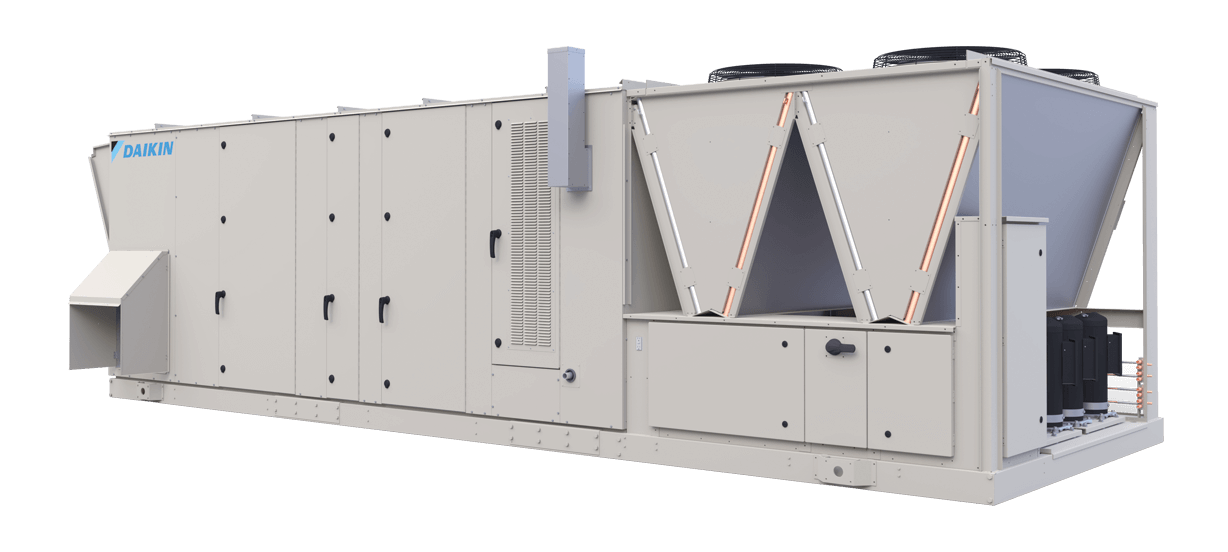
Commercial HVAC packaged unit
By Riley Speers • January 16, 2026
Optimized for Vancouver Business Owners – Penguin HVAC Commercial Division Commercial HVAC systems are the backbone of comfort, productivity, and indoor air quality in offices, retail spaces, warehouses, and multi-tenant buildings. For Vancouver business owners, understanding how these systems work — and how to maintain them — can reduce energy costs, prevent downtime, and extend equipment lifespan. This guide breaks down everything you need to know about commercial HVAC systems in 2026.
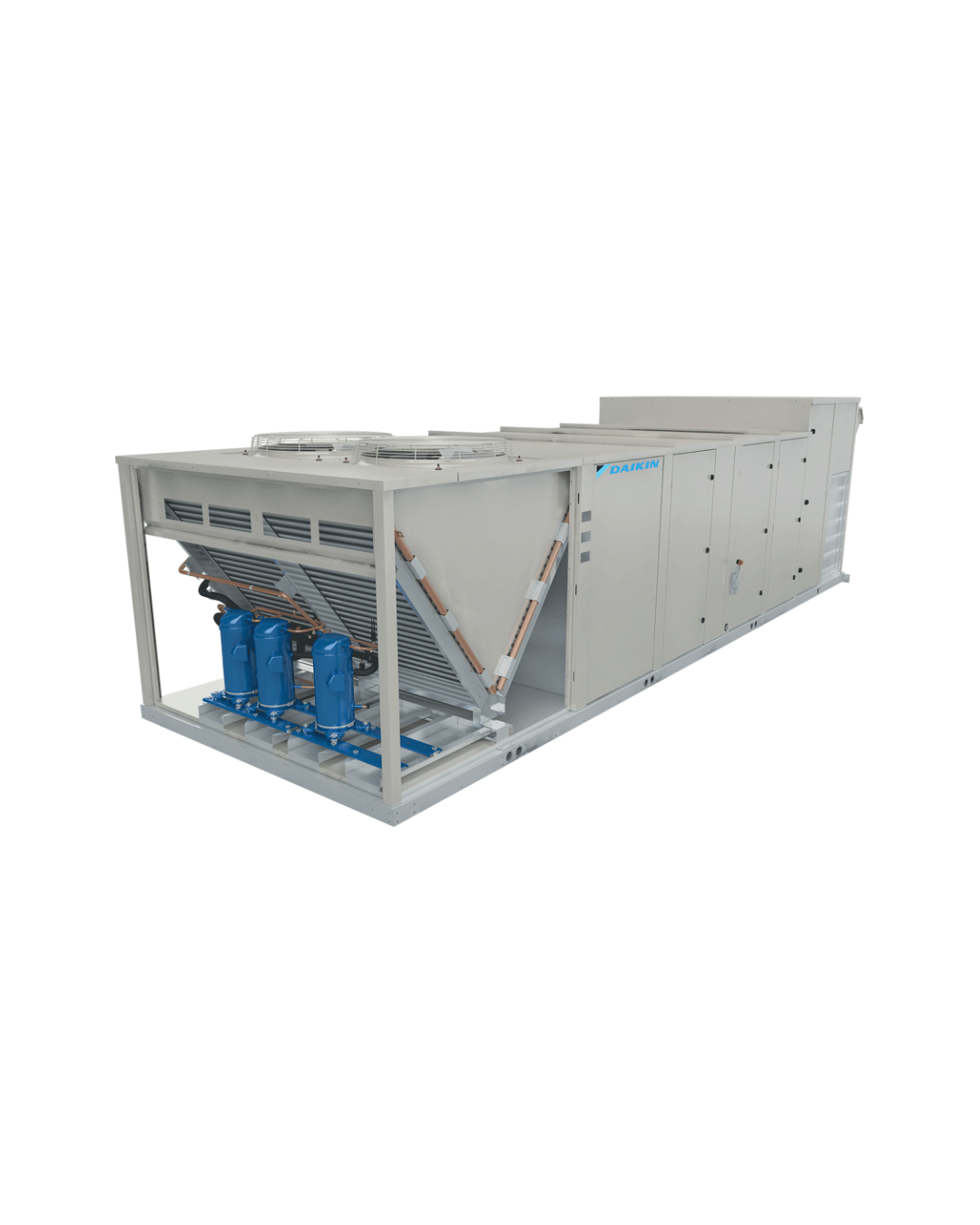
Daikin commercial HVAC unit
By Riley Speers • January 9, 2026
Optimized for Vancouver Business Owners – Penguin HVAC Commercial Division
Goodman furnace with a hand holding a wrench, implying repair or maintenance.
By Riley Speers • January 2, 2026
The Easy Goodman Furnace Diagnostic Guide!
Night scene: Illuminated Daikin building sign over a wet street. A motorcycle passes, rain falling.
By Riley Speers • January 2, 2026
Optimized for Vancouver Homeowners – Penguin HVAC Certified Daikin Installer  Daikin is one of the most recognized names in heating and cooling worldwide, known for efficiency, quiet operation, and long-term reliability. In Vancouver’s mild coastal climate, Daikin mini splits and heat pumps have become a top choice for homeowners looking to cut heating costs while staying comfortable year-round. As a Certified Daikin Installer, Penguin HVAC answers the most common homeowner questions about Daikin systems — from performance and reliability to how to reset, use, and maintain them properly.