Heat Pump vs Furnace in Vancouver

Penguin HVAC | Air Conditioning and Heating

Heat Pump vs Furnace in Vancouver

Choosing between a heat pump and furnace in Vancouver depends on the home’s existing HVAC setup, heating demand, cooling needs, available energy sources, and total cost. Heat pumps provide electric heating and cooling, while gas furnaces provide combustion-based heating and require separate equipment for cooling. Penguin HVAC helps Vancouver homeowners compare these systems based on how they will perform in the specific property.


Choosing Between Heat Pumps and Furnaces in Vancouver Homes

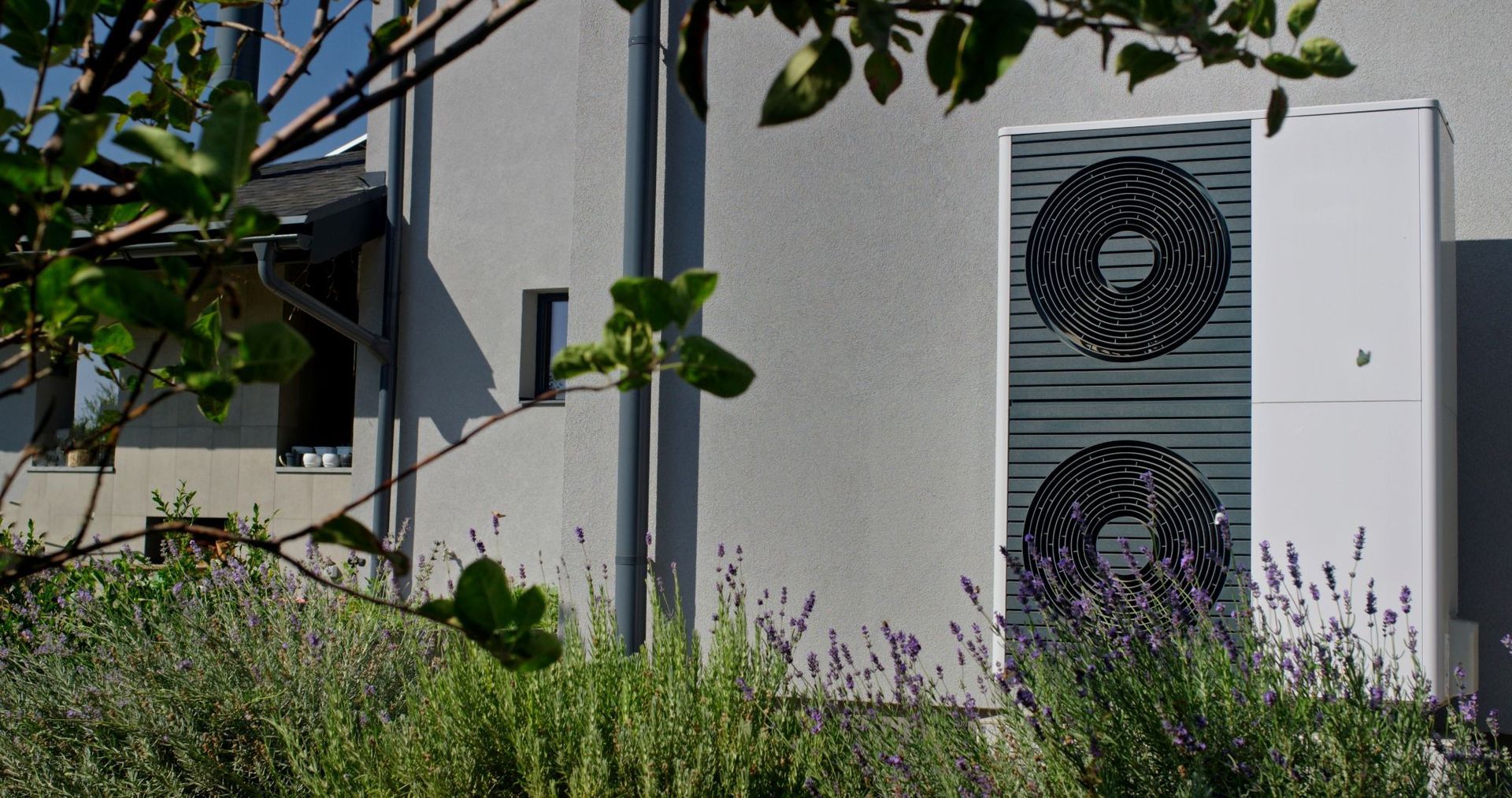
A heat pump transfers heat between the home and the outdoor air. During winter, it moves heat indoors, while during warmer weather it reverses operation to provide cooling. A gas furnace burns natural gas and distributes heated air through the home’s ductwork.

The first decision is whether the home needs heating only, heating and cooling, or a change in heating fuel. A homeowner replacing an existing gas furnace has a different starting point from someone using electric baseboards or adding cooling to a home that does not currently have it. Existing infrastructure also matters because gas service, electrical capacity, ductwork, and available equipment locations can all affect which system is practical and how much installation work is required.


How Each System Works in Vancouver’s Climate

Both heat pumps and furnaces can heat Vancouver homes, but their performance changes differently as outdoor temperatures fall. A furnace produces heat through combustion, so its available heating output is not reduced because less heat is available outdoors. An air-source heat pump extracts heat from outdoor air, which means its heating capacity and efficiency generally decline as outdoor temperatures fall.


For heat pumps, the important distinction is between continuing to operate and being able to meet the home’s entire heating demand. A system may still operate at a low outdoor temperature while producing less heat than the house requires. The point where the home’s heat loss exceeds the heat pump’s available output is commonly called the balance point, and below that point supplemental heat or another heating source may be required unless the selected heat pump has enough low-temperature capacity to carry the full load.


Heat Pump Performance in Mild Coastal Winters

Vancouver’s relatively mild winters are generally favourable for air-source heat pumps because the equipment spends much of the heating season operating at moderate outdoor temperatures. Cold-climate heat pumps are designed to continue operating below freezing, but performance varies substantially by model, so a system should be evaluated using its published heating capacity at the outdoor temperatures relevant to Vancouver rather than simply by whether it is labelled as a cold-climate unit.


A properly selected heat pump can serve as the primary heating system when its low-temperature output is sufficient for the home’s heating load. Homes with existing central ductwork may be suitable for a central heat pump, while homes without suitable central ducts may instead use ductless heat pumps, provided indoor-unit placement can adequately serve the required areas.


Furnace Performance in Cold Spikes

A gas furnace does not depend on outdoor air as its heat source, so colder outdoor temperatures do not reduce its rated output for the same reason they affect an air-source heat pump. This gives a furnace consistent available heating capacity during cold periods when the equipment and distribution system are properly sized for the home.


That does not mean Vancouver homes automatically require furnace backup. The relevant comparison is whether a proposed heat pump can meet the home’s heating load at colder design conditions. If it can, a furnace may not be necessary for capacity alone.


Heating Efficiency and Energy Use Differences

Heat pumps and furnaces use different processes to provide heat, so their efficiency should not be compared using a single percentage. A gas furnace converts the energy in natural gas into heat, with some energy lost through the combustion and venting process. A heat pump uses electricity to move existing heat into the home, which allows it to deliver more heat energy than the electrical energy consumed by the equipment.


For heat pumps, seasonal heating performance and low-temperature capacity are more useful decision factors than a single efficiency number. A system that performs efficiently during mild weather still needs sufficient capacity during colder conditions. Operating cost is also separate from energy efficiency because a heat pump may use less energy for heating while still requiring a comparison between electricity rates, natural gas rates, equipment performance, building heat loss, and annual heating demand.


There is no universal answer to whether a heat pump or furnace costs less to operate in British Columbia. The comparison needs to use the specific home, the proposed equipment, and the energy rates that apply to that property.


Installation and Upfront Cost Differences

A direct furnace replacement often involves less conversion work when the home already has suitable gas service, ductwork, venting, and electrical connections. A central heat pump requires outdoor equipment and compatible indoor components, and depending on the property, installation may also require electrical upgrades, refrigerant lines, controls, ductwork changes, or replacement of existing indoor HVAC equipment.


A ductless heat pump follows a different installation approach because conditioned air is delivered through individual indoor units rather than a central duct system. Upfront comparisons should also use equivalent systems, so if the homeowner wants both heating and cooling, the relevant comparison is usually a heat pump against the combined cost of a furnace and separate air-conditioning equipment rather than a furnace alone.


Available rebates can reduce the net cost of a heat pump installation, but eligibility depends on the specific program, equipment, household, and existing heating system. Incentives should be confirmed before they are included in the financial comparison.


Comfort and Performance Tradeoffs

Furnaces and heat pumps can maintain the same thermostat setting while delivering heat differently. A furnace generally supplies warmer air during shorter heating cycles, while a heat pump usually delivers lower-temperature heated air and may operate for longer periods to maintain the indoor temperature.


Longer heat pump runtimes are not automatically a sign of poor performance because variable-capacity and properly sized systems may operate for extended periods as part of normal operation. Distribution also affects comfort, as central furnaces and heat pumps rely on ductwork to move conditioned air through the home, while ductless heat pumps use individual indoor units. Placement and coverage therefore influence how evenly temperatures are maintained between rooms.


When a Heat Pump Makes More Sense

A heat pump is generally a stronger option when the homeowner wants heating and cooling from the same system, is replacing electric resistance heating, does not have natural gas service, or wants to reduce reliance on gas heating. The home still needs to support the proposed system, so electrical capacity, heating load, equipment placement, low-temperature output, and ductwork where applicable should be evaluated before selecting a heat pump installation.


Homes Without Gas Access

A home without natural gas service does not need a new gas connection to operate a heat pump, which can make this option particularly relevant for homes currently using electric baseboards or other electric resistance heating. Instead of converting the property to gas, the homeowner can continue using electricity while switching to equipment that transfers heat rather than producing it through resistance.

Homes without central ductwork may also be candidates for ductless systems. Suitability depends on whether the required indoor units can be positioned to provide adequate coverage throughout the areas that need heating and cooling.


Homeowners Prioritizing Efficiency and Rebates

Homeowners prioritizing energy efficiency should compare the heat pump’s seasonal performance and low-temperature capacity with the equipment being replaced. Rebates can reduce the installed cost, but they do not determine whether a heat pump is suitable for the home because a large incentive does not compensate for inadequate capacity, insufficient electrical service, unsuitable equipment placement, or a system that does not match the property’s heating requirements.


B.C. incentive programs can also have different requirements for all-electric and dual-fuel installations. Eligibility may depend on factors such as household income, existing heating fuel, equipment specifications, and the program in effect when the work is completed, so rebates should be treated as one part of the financial comparison after system suitability has been established.


When a Furnace Is the Better Choice

A furnace can make more sense when the homeowner intends to keep natural gas as the primary heating source and the property already has suitable gas infrastructure and central ductwork. Existing infrastructure can reduce the amount of conversion work required, but it does not automatically mean a furnace will have the lowest total cost or be the best long-term option because cooling requirements, utility costs, equipment condition, and future system plans still need to be considered.


Older Homes With Existing Gas Infrastructure

Older Vancouver homes with existing gas furnaces may already have gas piping, venting, electrical connections, and central ductwork that can support another furnace. Those components should still be assessed before replacement because existing infrastructure is not automatically compatible with new equipment simply because it served the previous furnace.


Ductwork deserves particular attention when comparing a furnace with a heat pump. Some heat pump systems require different airflow than the previous furnace, so existing ducts may need to be checked for capacity, condition, and distribution performance. For homes that continue with gas heating, Penguin HVAC provides gas furnace installation for replacement and new-system applications.


Extreme Cold Reliability Needs

A gas furnace maintains its available heating output without relying on outdoor-air heat extraction, while an air-source heat pump generally loses some heating capacity and efficiency as outdoor temperatures fall. For homeowners concerned about extreme cold, the important comparison is therefore the furnace’s available output against the heat pump’s published low-temperature capacity and the home’s heating load.


If the heat pump can meet the required load at the relevant outdoor temperature, colder weather alone does not make furnace backup necessary. If it cannot, the HVAC design may use supplemental electric heat, a furnace as a backup source, or a different heat pump configuration with greater low-temperature capacity. These are alternative design responses rather than requirements for every heat pump installation.


Hybrid Systems: Combining Heat Pumps and Furnaces

A hybrid, or dual-fuel, system combines an electric heat pump with a gas furnace. The heat pump can provide heating during conditions where it operates effectively and provide cooling during warmer weather, while the furnace remains available as an alternate heating source.


A hybrid system is most relevant when the homeowner wants heat pump heating and cooling but has a specific reason to retain a furnace. That may include existing gas infrastructure, a preference to keep gas backup, or a heat pump configuration that does not independently cover the home’s full design heating load.


System controls determine when operation changes between the heat pump and furnace, but the changeover point is not universal. It may be selected based on available heat pump capacity, energy costs, equipment controls, or the overall system design.


Keeping a furnace also means retaining natural gas service, so fixed gas account charges and the cost of maintaining two pieces of heating equipment should be included when deciding whether a hybrid system provides enough benefit to justify the additional equipment. Penguin HVAC offers central heat pump systems that can be configured with gas furnace backup where appropriate.


Which System Is Right for Your Home?

Start with the home’s existing setup because homes without gas service, homes replacing electric resistance heating, and properties that need both heating and cooling often have a stronger case for a heat pump. Homes already configured around gas heating may have a simpler path to another furnace, while a hybrid system becomes relevant when there is a clear reason to retain a furnace while adding heat pump heating and cooling.


The next step is comparing the home’s heating load with the proposed equipment’s cold-weather capacity. A heat pump should be selected based on whether it can provide the required output under the conditions the home is expected to experience, not simply on its headline efficiency rating.


The final comparison should include the complete installed system and expected operating costs. Electrical or gas infrastructure changes, cooling equipment, confirmed rebates, utility rates, and whether maintaining two energy sources is necessary can all affect the result. Penguin HVAC can assess the existing system, heating requirements, and available equipment options before determining whether a heat pump, furnace, or hybrid configuration is appropriate for a Vancouver home.
By seo seo September 16, 2026
This is a subtitle for your new post
July 23, 2026
Deciding when to replace versus repair your HVAC system requires more than comparing the immediate prices of each option. System age, repair history, energy use, comfort performance, and the likelihood of another failure all affect which decision provides better long term value. Penguin HVAC helps Vancouver homeowners assess these factors together before committing to another repair or replacing equipment prematurely. The Core Decision: Repair or Replace Your HVAC System Repairing an HVAC system is usually reasonable when the problem is isolated, the equipment has been dependable, and the repair is expected to restore normal operation without additional major work. Replacement becomes more practical when the current failure is one part of a broader decline in reliability, efficiency, or performance. The lowest immediate price is not always the lowest total cost. A repair may cost less today but provide limited value if another major component is likely to fail soon. Replacement requires a larger initial investment, but it may reduce repeated service costs and prevent an unexpected loss of heating or cooling. A useful comparison should determine: How much additional service life the repair is likely to preserve Whether other expensive components are showing signs of wear How recent repair costs compare with the value of the existing equipment Whether the system still maintains reasonable comfort and energy use No single factor should decide the outcome on its own. The condition of the complete system matters more than the isolated failure that triggered the service call. The Key Factors That Determine Replace vs Repair System Age and Expected Lifespan in Vancouver System age helps establish how much useful service life may remain, but age alone does not make replacement necessary. Maintenance quality, installation conditions, equipment sizing, operating hours, and previous repairs can cause two systems of the same age to have very different conditions. An older system with a minor, affordable problem may still justify repair when its major components remain stable. A newer system may be a poor repair candidate if it has recurring defects, installation problems, or damage affecting several components. Vancouver’s moderate climate can reduce extreme heating and cooling demands compared with regions that experience longer periods of severe temperatures. However, moisture exposure, salt air in some locations, restricted outdoor airflow, and year round equipment use can still contribute to corrosion and component wear. Age becomes most important when it is considered alongside repair cost and overall condition. As equipment approaches the later portion of its expected service life, an expensive repair has less time to recover its cost before replacement becomes necessary. Frequency and Pattern of Recent Repairs One repair does not usually indicate that an HVAC system is failing. The pattern of repairs is more informative than the number alone. Several unrelated minor repairs over many years may be normal maintenance. Multiple repairs within a short period can indicate broader deterioration, especially when they involve electrical controls, motors, refrigerant components, heat exchangers, compressors, or other major parts. Homeowners should review both the frequency and total cost of recent service. A system that requires repeated visits may become expensive even when each individual repair appears manageable. The cause of each failure also matters. Replacing the same component repeatedly may indicate that the underlying problem has not been corrected. Continuing to replace damaged parts without resolving airflow restrictions, electrical issues, drainage problems, or installation defects can increase costs without improving reliability. Energy Efficiency Decline and Utility Cost Trends Higher utility bills can support a replacement decision when the increase is linked to declining HVAC performance rather than changes in weather, energy rates, thermostat settings, or household use. Efficiency can decline when components become worn, airflow becomes restricted, controls operate inaccurately, or the system must run longer to reach the requested temperature. Maintenance may correct some of these problems. Replacement becomes more relevant when the system is mechanically sound enough to operate but no longer performs efficiently under normal conditions. Utility costs should be compared over similar seasons and usage patterns. A single high bill does not confirm equipment failure. A consistent upward trend, combined with longer operating cycles or reduced comfort, provides stronger evidence that the system is losing efficiency. Efficiency improvements alone do not always justify replacing dependable equipment. The potential operating savings should be considered against the cost of replacement and the remaining life of the existing system. Performance Issues (Heating, Cooling, Airflow) Poor heating, cooling, or airflow may come from a repairable issue such as a blocked filter, damaged control, failed motor, duct restriction, or incorrect system setting. Replacement should not be recommended until these correctable causes have been investigated. More persistent performance problems may indicate that the equipment can no longer meet the home’s needs. Warning signs include extended operating cycles, weak airflow, difficulty reaching the thermostat setting, excessive humidity, frequent cycling, or rooms that remain consistently uncomfortable. Uneven temperatures do not always mean the central HVAC equipment needs replacement. Duct design, insulation, air leakage, room layout, and balancing problems can produce similar symptoms. Replacing equipment without identifying the source may leave the comfort problem unresolved. Performance should therefore be evaluated at the system level. The decision depends on whether the problem is caused by a specific repairable fault or by a broader limitation in the existing equipment. The Cost Threshold Rule: When Repairs Stop Making Sense Applying the 50% Rule to HVAC Repairs The 50% rule is a common comparison method, not a fixed industry requirement. It suggests reconsidering a repair when its cost approaches 50% of the price of replacing the affected system. The rule is most useful for older equipment with limited remaining service life. Spending a large percentage of replacement cost on a system that may require additional work soon can create poor long term value. It is less useful when comparing a repair with a replacement proposal that includes upgrades, duct modifications, electrical work, or other improvements beyond replacing the existing equipment. The comparison should use equivalent scopes wherever possible. A repair below the threshold is not automatically worthwhile. A repair above it is not automatically wasteful. Warranty coverage, system condition, replacement timing, household budget, and the expected reliability of the repair can justify a different decision. Short-Term Fix vs Long-Term Cost Accumulation A short term repair can be appropriate when it restores dependable operation and gives the homeowner time to plan for replacement. It becomes less practical when it only postpones a predictable failure without materially improving reliability. Repair costs should be viewed cumulatively. Several smaller repairs completed over a short period can eventually exceed the cost of replacing the system, even though each individual service call appears affordable. Homeowners should compare the total amount spent on recent repairs with the expected additional service life those repairs are likely to provide. If each repair only delays another significant expense, the overall cost of keeping the system operating can increase without improving long term dependability. A repair provides good value when the remaining equipment is in sound condition and the expected service life justifies the investment. If the system continues to require additional repairs after each service visit, replacing the equipment often becomes the more economical long term decision. Signs Replacement Is the Smarter Decision Repeated Breakdowns or Major Component Failures Replacement becomes more practical when breakdowns occur frequently or involve several major components. This pattern suggests that the current failure may not be the final significant expense. A major component repair can still be justified when the system is relatively young, otherwise dependable, and supported by parts or labour coverage. The same repair may offer limited value on older equipment with additional worn components. The decision should account for what remains after the repair. Replacing one expensive component does not renew motors, controls, coils, wiring, bearings, or other aging parts. When several areas show deterioration, repairing only the failed component may restore operation without restoring dependable service. Rising Energy Bills Without Usage Changes Replacement may be appropriate when energy use continues to rise despite proper maintenance and no meaningful change in household habits, weather conditions, or utility pricing. A technician should first rule out correctable causes such as dirty components, blocked airflow, inaccurate controls, duct leakage, or a failing but replaceable part. If the system remains inefficient after these issues are addressed, its mechanical condition or operating design may be limiting performance. The financial importance of the increase depends on its size and consistency. Small seasonal variations do not normally justify replacement. A sustained increase combined with longer run times and declining comfort makes replacement more defensible. Inconsistent Temperatures Across the Home Inconsistent temperatures can support replacement when the equipment no longer distributes enough conditioned air or cannot maintain stable operation. However, the HVAC unit should not be assumed to be the only cause. Duct restrictions, poor balancing, insulation gaps, air leakage, closed registers, and building changes can create temperature differences even when the equipment is operating correctly. These conditions should be assessed before replacing the system. Replacement is more likely to solve the problem when testing confirms that the existing equipment is no longer producing adequate heating, cooling, or airflow under normal operating conditions. When the cause is outside the equipment, correcting the distribution or building issue is usually the more direct solution. When Repair Is Still the Right Choice Repair remains the stronger option when the system has substantial expected service life, the failure is limited to one component, and the rest of the equipment is in sound condition. It may also be appropriate when: The repair is covered fully or partly by warranty The system has not required frequent recent service Energy use and comfort were acceptable before the failure The replacement cost would be disproportionate to the problem A safe repair is expected to provide several more years of operation  Repair can also serve as a planned temporary measure when immediate replacement is impractical. In that situation, the homeowner should understand whether the repair is expected to provide dependable operation or only reduce the risk of failure for a limited period. Safety related defects should not be treated as ordinary repair decisions. Equipment should not remain in operation when a technician identifies a condition that cannot be corrected safely or economically. Risk of Waiting Too Long to Replace Delaying replacement can increase costs when an aging system continues to require repairs or operates inefficiently for an extended period. The financial risk is highest when the homeowner is already aware of major deterioration but continues approving isolated repairs without considering the condition of the complete system. An unexpected failure can also reduce decision making flexibility. Emergency replacement may limit the time available to compare equipment, review installation requirements, arrange financing, or schedule work during a convenient period. Loss of heating or cooling can create additional risks for vulnerable occupants, pets, plumbing, moisture control, or temperature sensitive belongings. The severity depends on the season, the home, and whether temporary heating or cooling is available. Waiting is not necessarily costly when the system remains safe, reliable, and economical to operate. The risk comes from delaying after the evidence supports replacement, not from continuing to use older equipment solely because of its age. Professional Assessment: What an HVAC Technician Evaluates An HVAC technician evaluates more than the component that has stopped working. The assessment should determine whether the failure is isolated, whether another condition caused it, and whether the remaining equipment is likely to operate reliably after the repair. The review may include: System age, model, condition, and maintenance history The cause and cost of the current repair Condition of major mechanical and electrical components Heating, cooling, airflow, and temperature performance Operating pressures, temperatures, electrical readings, or combustion results where applicable Evidence of corrosion, leakage, overheating, or abnormal wear Availability of replacement parts and applicable warranty coverage Recent repair history and likely near term service needs A technician cannot predict the exact date an HVAC system will fail. Remaining service life is an estimate based on current condition, test results, operating history, and common failure patterns. A useful recommendation should explain what the repair will correct, what risks will remain, and why replacement may or may not provide better value. Homeowners should be able to compare both options using the same information rather than relying on age or repair price alone. Get a Repair or Replacement Recommendation for Your System The appropriate decision depends on the condition of the equipment, not a universal age limit or cost formula. A repair may be sensible for an older system with one minor fault, while replacement may be justified for newer equipment with recurring failures or unresolved performance problems. Penguin HVAC can inspect the system, identify the cause of the current issue, review its recent repair history, and compare the expected value of repair with replacement. The recommendation should clarify immediate costs, remaining risks, and whether further investment in the existing equipment is likely to provide dependable service.
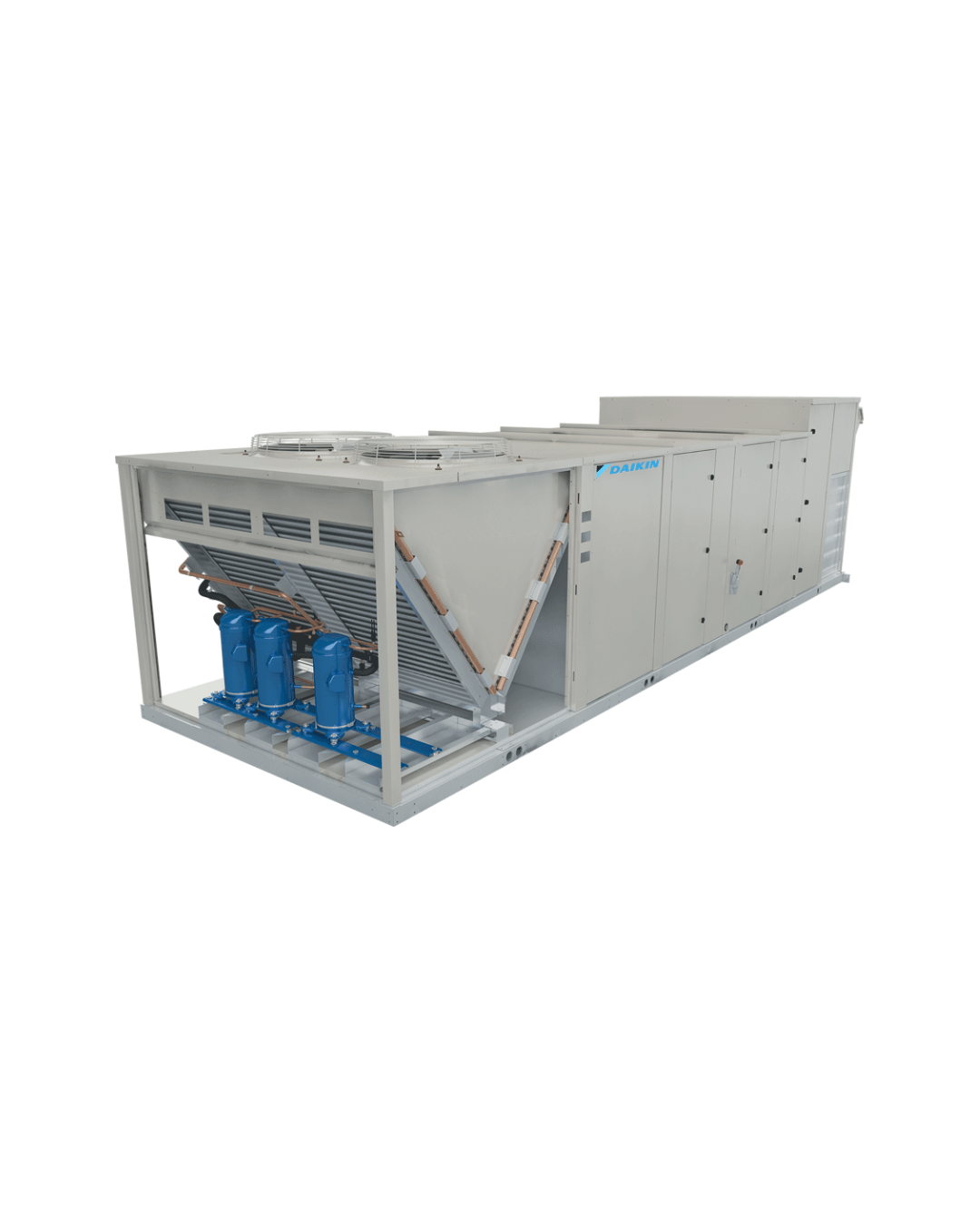
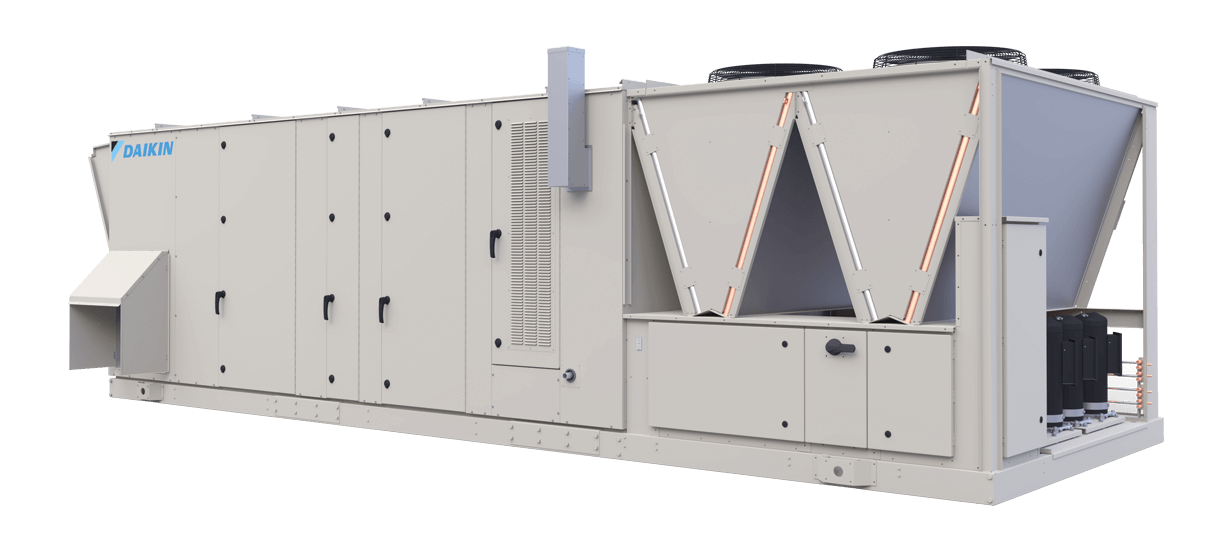
Commercial HVAC packaged unit
By Riley Speers January 16, 2026
Optimized for Vancouver Business Owners – Penguin HVAC Commercial Division Commercial HVAC systems are the backbone of comfort, productivity, and indoor air quality in offices, retail spaces, warehouses, and multi-tenant buildings. For Vancouver business owners, understanding how these systems work — and how to maintain them — can reduce energy costs, prevent downtime, and extend equipment lifespan. This guide breaks down everything you need to know about commercial HVAC systems in 2026.
Daikin commercial HVAC unit
By Riley Speers January 9, 2026
Optimized for Vancouver Business Owners – Penguin HVAC Commercial Division
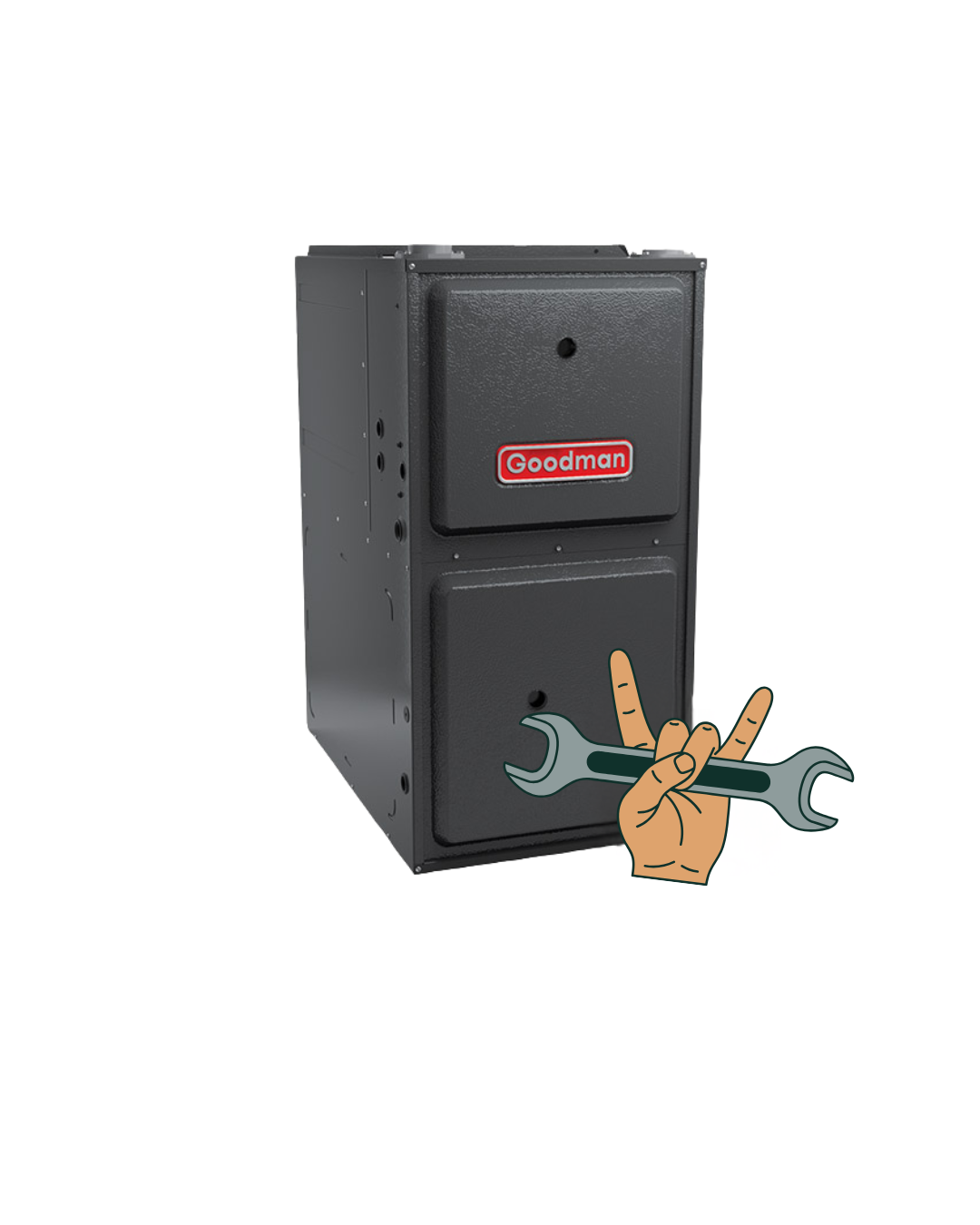
Goodman furnace with a hand holding a wrench, implying repair or maintenance.
By Riley Speers January 2, 2026
The Easy Goodman Furnace Diagnostic Guide!
Night scene: Illuminated Daikin building sign over a wet street. A motorcycle passes, rain falling.
By Riley Speers January 2, 2026
Optimized for Vancouver Homeowners – Penguin HVAC Certified Daikin Installer  Daikin is one of the most recognized names in heating and cooling worldwide, known for efficiency, quiet operation, and long-term reliability. In Vancouver’s mild coastal climate, Daikin mini splits and heat pumps have become a top choice for homeowners looking to cut heating costs while staying comfortable year-round. As a Certified Daikin Installer, Penguin HVAC answers the most common homeowner questions about Daikin systems — from performance and reliability to how to reset, use, and maintain them properly.
White AprilAire HEPA air purifier with a circular intake, power cord.
By Riley Speers January 2, 2026
Optimized for Vancouver Homeowners – Penguin HVAC Indoor Air Quality Specialists  Indoor air quality has never been more important. Between seasonal allergies, wildfire smoke, and everyday dust, many Vancouver homeowners are turning to whole home HEPA filtration systems for cleaner, healthier air. This guide explains how HEPA filters work, how they integrate with your HVAC system, and why installing a whole home HEPA filter is one of the best upgrades you can make for your home comfort.
Carrier and Lennox furnaces earing boxing gloves
By Riley Speers January 2, 2026
When it comes to buying a new high-efficiency furnace, two names almost always come up — Carrier and Lennox. Both are industry leaders with strong reputations, but they take slightly different approaches to heating technology, reliability, and long-term ownership costs. If you’re deciding between Carrier and Lennox for your next furnace upgrade, this guide breaks down efficiency, reliability, noise, cost, warranties, and overall value to help you make an informed decision.
Night scene with a lit Daikin building sign. A person rides a motorcycle on a wet street.
By Riley Speers July 2, 2025
How Much Does a Daikin Heat Pump Cost in Vancouver?
Architectural blueprints, likely a floor plan, with kitchen and dining areas depicted.
By Riley Speers July 2, 2025
How Much Does HVAC Cost in a New Vancouver Home?