5 Signs Your HVAC System Is About to Fail
5 Signs Your HVAC System Is About to Fail
The five warning signs your HVAC system may be approaching failure are unusual noises, weak airflow, frequent cycling, rising energy bills, and strange odours. These symptoms do not always mean the equipment needs replacing, but they can indicate developing mechanical, electrical, or airflow problems. Recognizing them early helps Vancouver homeowners determine when to monitor performance, schedule repairs, or consider replacement. Penguin HVAC provides heating and cooling assessments to help identify equipment problems and determine the appropriate next step.
Why HVAC Systems Fail Suddenly in Vancouver Homes
HVAC systems can fail unexpectedly when deteriorating components reach the point where they can no longer function properly. Motors, electrical connections, compressors, and other mechanical parts may gradually wear while the equipment continues producing heating or cooling. Once a critical component fails, the system may stop operating entirely.
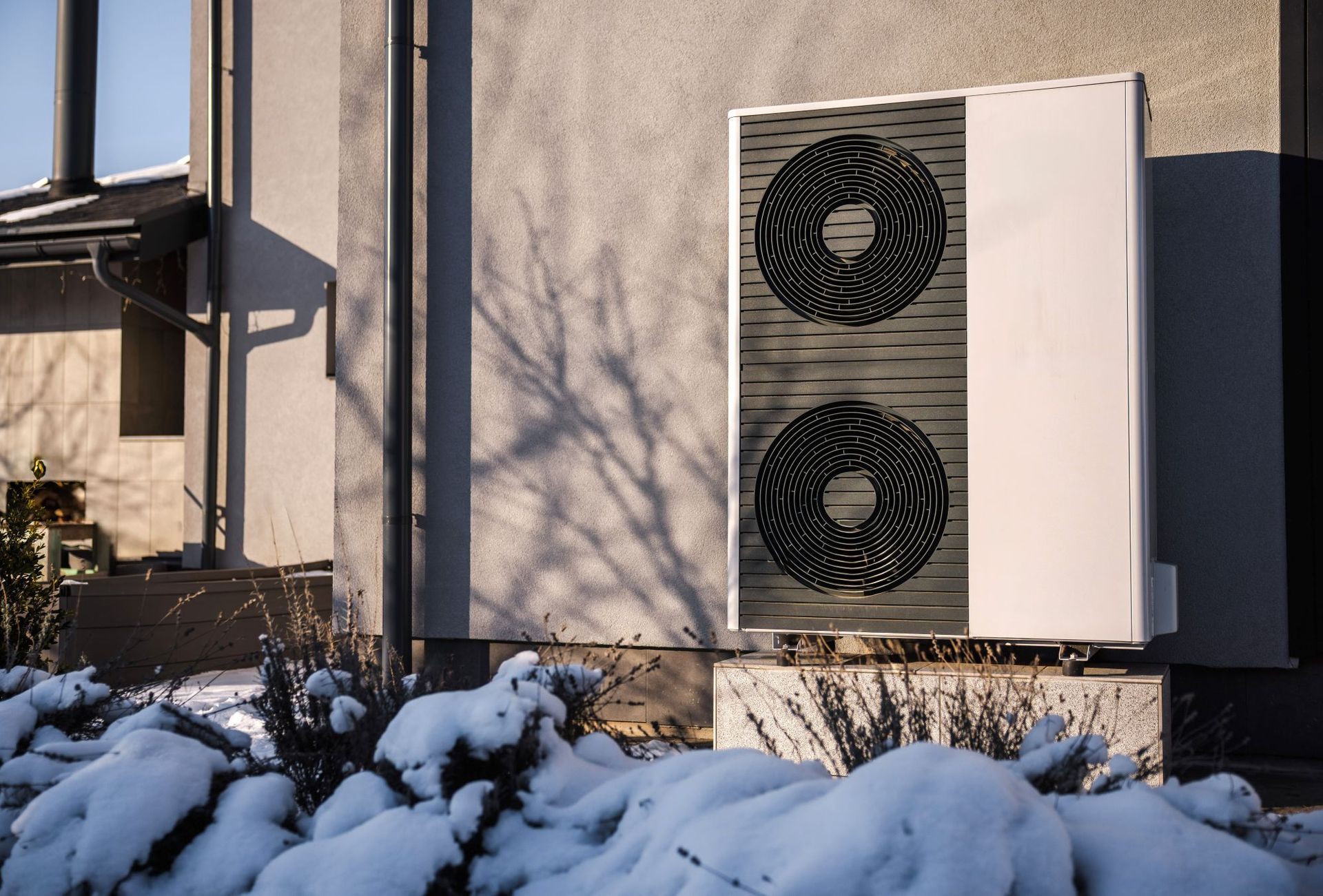
Vancouver's cool, damp winters create particular operating conditions for heat pumps. Moisture in the air can freeze on outdoor coils during heating operation, requiring the equipment to periodically defrost. While this is normal, faulty defrost controls or excessive ice accumulation can restrict heat transfer and place additional demands on the system.
These conditions also affect homes in surrounding coastal communities, including North Vancouver. Equipment that maintains comfortable temperatures during mild weather may struggle during extended heating periods if components are already deteriorating.
The time between an initial warning sign and complete failure varies according to the underlying defect. An electrical component might stop working during the next operating cycle, while a worn motor could continue functioning for an unpredictable period. Symptoms indicate that attention is needed, but they cannot reliably establish how much operating life remains.
Sign 1: Unusual Noises That Signal Internal Damage
Unusual HVAC noises can indicate excessive friction, vibration, or contact between moving components. Although occasional clicking and changes in fan noise are normal, persistent grinding, screeching, or heavy banging can suggest developing mechanical damage.
A noise becomes more concerning when it appears suddenly, grows louder, or occurs alongside reduced heating or cooling performance. These changes suggest a potential equipment problem rather than an ordinary operating sound.
Grinding, Screeching, and Banging Sounds Explained
Grinding noises commonly suggest worn motor bearings or contact between moving components. As bearings deteriorate, friction can increase and place additional strain on the motor.
High-pitched screeching may indicate bearing problems or belt slippage in systems that use belt-driven components. Banging can result from loose blower parts or mechanical interference, although occasional popping from expanding ductwork does not necessarily indicate equipment damage.
Persistent metallic grinding, heavy banging, or strong mechanical vibration warrants shutting down the affected system and arranging prompt inspection. Continuing to operate equipment with suspected internal damage can affect connected components and increase repair costs.
Sign 2: Weak or Inconsistent Airflow Across Rooms
Weak airflow from supply vents can indicate that a ducted HVAC system is struggling to circulate heated or cooled air. Common causes include clogged filters, restricted ductwork, and deteriorating blower components.
The concern increases when airflow becomes noticeably weaker than normal or the equipment runs without maintaining the thermostat setting. Inadequate airflow can contribute to furnace overheating or frozen cooling coils, depending on the equipment and operating conditions.
An airflow restriction does not automatically mean the heating or cooling equipment is failing. However, persistent problems should be investigated because continued operation under restricted conditions can contribute to additional component wear. Homeowners seeking HVAC services in Burnaby can have persistent airflow problems assessed to determine whether the cause is within the equipment or duct system.
When Airflow Issues Point to System Failure vs Duct Problems
The distribution of weak airflow helps determine whether the problem originates within the equipment or the duct system. Reduced airflow throughout the home suggests a central restriction or blower problem, particularly when multiple vents experience the same decline.
When only one or two rooms are affected, blocked duct branches, closed dampers, disconnected ductwork, or air leakage may be responsible. These conditions can reduce heating and cooling performance without indicating that the furnace or heat pump itself is failing.
Ductless heat pumps require a different assessment because individual indoor units have separate fans and airflow controls. Weak airflow from one indoor unit may indicate a localized problem rather than failure of the entire heating and cooling system.
Sign 3: Frequent Cycling or System Short Cycling
Short cycling occurs when HVAC equipment repeatedly starts and stops before completing its expected heating or cooling cycle. Instead of operating until the thermostat's demand is satisfied, the equipment shuts down prematurely and restarts.
Not every short operating period indicates a malfunction. Mild outdoor temperatures, variable-capacity equipment, and normal heat pump defrost cycles can produce different operating patterns.
During a normal heat pump defrost cycle, heating may briefly pause while the outdoor unit removes accumulated frost. The equipment should return to normal heating once the cycle finishes, although the exact behaviour depends on the system.
Repeated shutdowns without the thermostat reaching its set temperature, or frequent interruptions that prevent normal heating from resuming, suggest a problem requiring professional diagnosis.
What Rapid On-Off Patterns Mean for System Lifespan
Frequent starting and stopping can increase wear on motors, compressors, and electrical components. In gas furnaces, overheating caused by restricted airflow may also activate protective controls that interrupt heating operation.
Potential causes include thermostat faults, airflow restrictions, electrical problems, and improperly sized equipment. An oversized system may satisfy the thermostat too quickly, resulting in frequent cycles without an individual mechanical component necessarily being defective.
Correcting a control or airflow problem may restore normal operation without major repairs. However, continued short cycling can contribute to premature component failure, making diagnosis important for protecting the equipment's remaining service life.
Sign 4: Rising Energy Bills Without Usage Changes
Increasing energy consumption can indicate declining HVAC efficiency, particularly when household usage and thermostat settings have remained consistent. Dirty heat-transfer surfaces, restricted airflow, or deteriorating components can reduce heating and cooling performance.
Depending on the underlying problem, the system may consume more energy, deliver less heating or cooling, or operate for longer periods to maintain the desired temperature. Some faults affect both energy consumption and equipment capacity, while others primarily reduce comfort.
Higher utility bills alone do not establish that an HVAC system is failing. Energy prices, billing periods, outdoor temperatures, and changes in household consumption can produce similar increases.
Compare actual electricity or gas consumption with previous periods under reasonably similar weather conditions. If consumption continues increasing alongside longer operating times or reduced heating and cooling performance, an HVAC inspection can help identify whether equipment efficiency has deteriorated.
A gradual increase without other warning signs generally does not require emergency service. However, investigating a developing efficiency problem can prevent avoidable operating costs and identify repairable faults before performance deteriorates further. For homeowners in Coquitlam, a system assessment can help distinguish equipment-related efficiency losses from normal seasonal changes in energy consumption.
Sign 5: Strange Smells or Burning Odours
Unusual smells from HVAC equipment can indicate accumulated dust, moisture problems, or overheating components. The type, intensity, and persistence of the odour help determine whether the issue requires routine attention or immediate action.
A brief dusty smell when a furnace first operates after an extended period of inactivity can be normal. Persistent musty odours may indicate moisture accumulation or contamination within the equipment or connected ductwork.
A strong electrical burning smell, melting-plastic odour, or visible smoke requires immediate attention. Shut down the system if it is safe to do so and arrange urgent professional assessment. If smoke, flames, or sparking are present, leave the building and contact emergency services.
Heat pumps can produce visible white vapour from their outdoor units during normal winter defrost operation. This vapour generally dissipates as the cycle finishes and is not accompanied by a burning smell. However, persistent vapour combined with unusual odours, electrical problems, or abnormal operation should not be assumed to be harmless.
A rotten-egg smell near gas-fired heating equipment may indicate a natural gas leak. Leave the building immediately without operating electrical switches or the thermostat, then contact FortisBC or 911 from outside. Do not re-enter until the area has been declared safe.
Carbon monoxide presents a separate concern because it cannot be detected by smell. If a carbon monoxide alarm activates, evacuate the building and contact emergency services rather than attempting to locate the source. The equipment should not be operated again until the situation has been professionally assessed.
When These Signs Mean Immediate Repair vs Full Replacement
An HVAC warning sign does not automatically justify replacing the entire system. The appropriate decision depends on the failed component, equipment condition, repair cost, safety implications, and whether reliable operation can be restored.
Minor airflow restrictions, thermostat faults, and isolated component problems are generally worth repairing when the remaining equipment is in good condition. If the system is otherwise reliable, correcting the underlying issue may restore normal performance without requiring replacement.
Persistent mechanical noises, repeated shutdowns, or multiple warning signs appearing together require a more thorough assessment. These symptoms may share one repairable cause or indicate deterioration affecting several components. The severity of the underlying problem matters more than the number of symptoms alone.
Complete heating loss during cold weather requires urgent attention, particularly when indoor temperatures are falling or vulnerable occupants are present. Equipment with confirmed electrical or combustion safety defects should remain off until the problem has been professionally assessed and corrected.
Replacement becomes more reasonable when an aging system requires expensive repairs, experiences repeated breakdowns, or has multiple deteriorating components. However, equipment age alone does not justify replacement, and an older system with a manageable repair may still provide dependable service.
When comparing repair and replacement, homeowners should consider the total installed replacement cost, the expected durability of the proposed repair, and the condition of other major components. A relatively inexpensive repair may offer better value, while investing heavily in equipment with additional developing faults may not be economical.
At Penguin HVAC, we assess heating and cooling equipment to help homeowners understand their repair and replacement options. An assessment helps establish whether the underlying defect can be corrected reliably or whether replacing the equipment would provide better long-term value.
What to Do Next if You Notice These Warning Signs
If your HVAC system begins displaying unusual symptoms, determine whether they are temporary or continuing to affect normal operation. A brief noise or isolated performance change that resolves may be monitored, while recurring shutdowns, worsening airflow, or persistent mechanical noises justify scheduling an inspection.
Record when symptoms occur, how frequently they appear, and whether the system continues maintaining the desired indoor temperature. This information helps technicians identify intermittent problems that may not be present during a service visit.
Complete heating loss requires greater urgency during cold weather, particularly when indoor temperatures are falling, vulnerable occupants are present, or plumbing may be exposed to freezing conditions. In these situations, arrange heating service promptly and consider safe temporary heating or alternative accommodation if the home cannot maintain a suitable temperature.
Avoid repeatedly resetting equipment, bypassing protective controls, or attempting electrical and mechanical repairs without appropriate training. These actions can conceal the original fault, create safety hazards, or contribute to additional damage.
Penguin HVAC provides heating and cooling services throughout Vancouver and surrounding communities. If your system is showing persistent signs of deterioration, our team can assess the equipment, identify the underlying problem, and help determine whether repair or replacement is the appropriate next step